We Use CookiesWe use cookies to enhance the security, performance,
functionality and for analytical and promotional activities. By continuing to browse this site you
are agreeing to our privacy policy
Best Kodak Scanners
From leading brands and best sellers available on the web.Sponsored
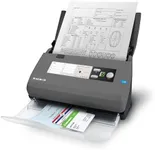
Ambir
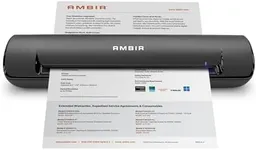
Ambir ImageScan Pro 830ix-AS 30ppm High-Speed ADF Scanner for PC and Mac

View on Amazon
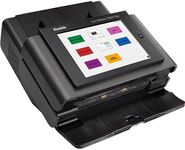
Sponsored
Ambir
Ambir ImageScan Pro 830ix-AS 30ppm High-Speed ADF Scanner for PC and Mac
View on Amazon
#2
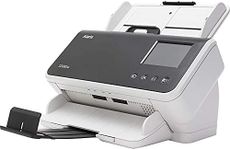
KODAK
Kodak 1015189 Alaris S2080w Shtfedscan 80ppm
View on Amazon
#3
KODAK
Kodak Alaris S2060W Cordless Sheetfed Scanner
View on Amazon
#4
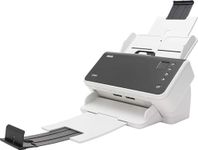
KODAK
Kodak Alaris S2050 Sheetfed Scanner - 600 dpi Optical
View on Amazon
#5
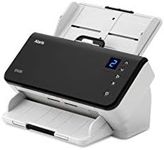
KODAK
Kodak ALARIS E1035 COL SHTFEDSCAN 35PPM 600DPI
View on Amazon
Related Products
Up to 12% off



How do we rank products for you?
Our technology thoroughly searches through the online shopping world, reviewing hundreds of sites. We then process and analyze this information, updating in real-time to bring you the latest top-rated products. This way, you always get the best and most current options available.
Most Popular Categories Right Now


Buying Guide for the Best Kodak Scanners
When choosing a Kodak scanner, it's important to consider your specific needs and how you plan to use the scanner. Different models offer various features and capabilities, so understanding these can help you make an informed decision. Here are some key specifications to consider when selecting a Kodak scanner.ResolutionResolution refers to the amount of detail the scanner can capture, measured in dots per inch (DPI). Higher resolution means more detail, which is important for scanning photos or documents with fine print. For general document scanning, 300-600 DPI is usually sufficient. If you need to scan high-quality images or detailed graphics, look for a scanner with a resolution of 1200 DPI or higher. Consider your primary use: for text documents, a lower DPI is fine, but for images, higher DPI is better.
Scan SpeedScan speed is how quickly the scanner can process documents, typically measured in pages per minute (PPM). This is crucial if you need to scan large volumes of documents regularly. For occasional use, a lower PPM (around 20-30) is adequate. For frequent or high-volume scanning, look for a scanner with a higher PPM (50 or more). Think about how often and how much you will be scanning to determine the right speed for you.
ADF (Automatic Document Feeder) CapacityThe ADF capacity indicates how many pages the scanner can hold and process automatically without manual intervention. This is particularly useful for batch scanning. A smaller ADF capacity (up to 50 pages) is suitable for light use, while a larger capacity (100 pages or more) is better for heavy-duty scanning tasks. Consider the volume of documents you need to scan at once to choose the appropriate ADF capacity.
ConnectivityConnectivity options determine how the scanner connects to your computer or network. Common options include USB, Wi-Fi, and Ethernet. USB is straightforward and reliable for direct connections. Wi-Fi allows for wireless scanning, which is convenient if you need to place the scanner away from your computer. Ethernet is useful for office environments where multiple users need access to the scanner. Choose the connectivity option that best fits your setup and workflow.
Duplex ScanningDuplex scanning means the scanner can scan both sides of a document simultaneously. This feature is essential if you frequently scan double-sided documents, as it saves time and effort. If you mostly scan single-sided documents, this feature may not be as critical. Assess your typical scanning needs to decide if duplex scanning is necessary for you.
Software and CompatibilityThe software that comes with the scanner can greatly affect its usability and functionality. Look for scanners that include robust software for managing, editing, and organizing scanned documents. Additionally, ensure the scanner is compatible with your operating system and any other software you plan to use. Consider what features you need from the software, such as OCR (Optical Character Recognition) for converting scanned text into editable text.
Size and PortabilityThe physical size and portability of the scanner can be important depending on your workspace and how you plan to use it. Compact and portable scanners are ideal for small spaces or if you need to transport the scanner frequently. Larger scanners may offer more features but require more space. Think about where you will use the scanner and how often you might need to move it to choose the right size.