Buying Guide for the Best Wrestling Dummies
Choosing the right wrestling dummy is crucial for effective training and skill development. Wrestling dummies come in various shapes, sizes, and materials, each designed to serve different training needs. When selecting a wrestling dummy, consider your training goals, the type of techniques you want to practice, and your physical attributes. Here are some key specifications to consider when picking the best wrestling dummy for you.Size and WeightSize and weight are important because they determine how realistic the dummy feels during practice. Wrestling dummies typically range from lightweight models for beginners to heavier ones for advanced practitioners. If you're new to wrestling, a lighter dummy (around 40-60 pounds) will be easier to handle and maneuver. For more experienced wrestlers, a heavier dummy (70-120 pounds or more) can provide a more realistic challenge and help build strength. Choose a size and weight that matches your current skill level and physical strength.
MaterialThe material of the wrestling dummy affects its durability and feel. Common materials include vinyl, canvas, and synthetic leather. Vinyl dummies are generally more affordable and easier to clean, making them suitable for beginners. Canvas dummies are durable and can withstand rough handling, ideal for intense training sessions. Synthetic leather dummies offer a realistic feel and are highly durable, making them a good choice for advanced practitioners. Consider how often you will use the dummy and the intensity of your training when selecting the material.
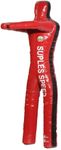
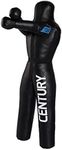
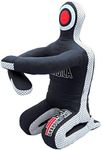
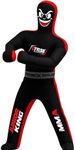
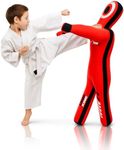
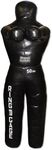
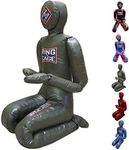
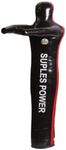
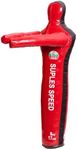
Shape and DesignWrestling dummies come in various shapes and designs, such as human-like figures or cylindrical shapes. Human-like dummies with limbs and a head are great for practicing specific techniques like throws, submissions, and ground control. Cylindrical dummies are more versatile for general strength training and conditioning. If your training focuses on technique and realism, opt for a human-like dummy. For overall fitness and conditioning, a cylindrical dummy may be more suitable.
Flexibility and MovementSome wrestling dummies are designed to be more flexible and movable, allowing for a wider range of techniques and positions. Flexible dummies can mimic the movements of a real opponent, making them ideal for practicing dynamic techniques and transitions. If your training involves a lot of movement and positional changes, look for a dummy with articulated joints and limbs. For static drills and strength training, a less flexible dummy may suffice.
HeightThe height of the wrestling dummy should be proportional to your own height to ensure realistic practice. Dummies typically range from 4 to 6 feet tall. If you're shorter, a smaller dummy will be easier to handle and more realistic for your training. Taller individuals should opt for a larger dummy to match their reach and technique requirements. Choose a dummy height that aligns with your physical attributes and training goals.