Buying Guide for the Best Grappling Dummies
Choosing the right grappling dummy is essential for anyone looking to improve their grappling skills, whether for Brazilian Jiu-Jitsu, wrestling, or other martial arts. A grappling dummy can help you practice techniques, improve your strength, and enhance your overall performance. When selecting a grappling dummy, it's important to consider several key specifications to ensure you get the best fit for your training needs.Size and WeightThe size and weight of a grappling dummy are crucial because they should closely mimic the size and weight of a real opponent. Dummies typically range from lightweight (around 30-50 lbs) to heavyweight (over 100 lbs). For beginners or those focusing on technique, a lighter dummy may be more suitable. For advanced practitioners or those looking to build strength, a heavier dummy is ideal. Consider your own body weight and strength when choosing the right size and weight for your dummy.
MaterialThe material of the grappling dummy affects its durability and feel. Common materials include vinyl, canvas, and leather. Vinyl is often more affordable and easier to clean, but it may not be as durable as canvas or leather. Canvas is durable and provides a more realistic feel, but it can be rough on the skin. Leather is the most durable and offers a realistic feel, but it is also the most expensive. Choose a material based on your training intensity and how often you plan to use the dummy.
Flexibility and Joint MovementFlexibility and joint movement refer to how well the dummy can simulate human movement. Some dummies have rigid limbs, while others have more flexible joints that allow for a wider range of techniques. If you are focusing on submissions and joint locks, a dummy with flexible joints is essential. For practicing throws and takedowns, a more rigid dummy may be sufficient. Consider the types of techniques you will be practicing most often when selecting the flexibility and joint movement of your dummy.
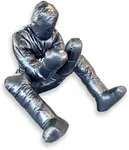
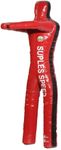
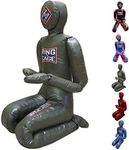
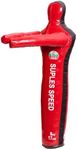
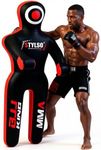
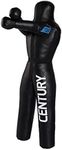
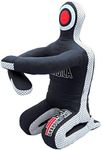
PostureGrappling dummies come in different postures, such as sitting, standing, or lying down. The posture of the dummy should match the type of training you plan to do. A sitting or lying down dummy is great for practicing ground techniques and submissions, while a standing dummy is better for practicing throws and takedowns. Think about your training goals and choose a dummy with a posture that aligns with those goals.
Fill TypeThe fill type of a grappling dummy affects its weight distribution and feel. Common fill types include sand, foam, and shredded fabric. Sand-filled dummies are heavier and provide a more realistic weight, but they can be difficult to move and adjust. Foam-filled dummies are lighter and easier to handle, but they may not provide the same level of resistance. Shredded fabric offers a balance between weight and flexibility. Consider the type of resistance and weight distribution you need for your training when choosing the fill type.