Buying Guide for the Best Tubing Bender For Brake Lines
Choosing the right tubing bender for brake lines is crucial to ensure precise and clean bends without damaging the tubing. A good tubing bender will help you achieve professional results, whether you're working on a car restoration project or performing routine maintenance. Understanding the key specifications and how they relate to your needs will help you make an informed decision.Bend RadiusThe bend radius is the minimum radius you can bend the tubing without causing it to kink or collapse. This is important because a smaller bend radius allows for tighter bends, which can be crucial in tight spaces. Bend radius is typically measured in inches or millimeters. For most brake line applications, a bend radius of 1-2 inches is sufficient. If you need to work in very confined spaces, look for a bender that offers a smaller bend radius.
Material CompatibilityMaterial compatibility refers to the types of materials the tubing bender can handle, such as steel, stainless steel, copper, or aluminum. This is important because different materials have different properties and require different handling. For brake lines, you will often be working with steel or copper. Ensure the bender you choose is compatible with the material of your brake lines to avoid damaging the tubing.
Bending CapacityBending capacity indicates the maximum diameter of tubing the bender can handle. This is crucial because using a bender with a lower capacity than your tubing can result in poor bends or damage. Brake lines typically range from 3/16 inch to 1/4 inch in diameter. Make sure the bender you choose can accommodate the specific diameter of your brake lines.
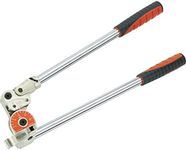
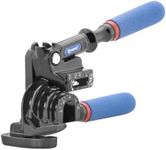
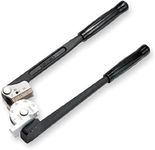
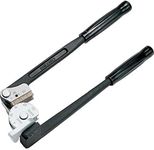
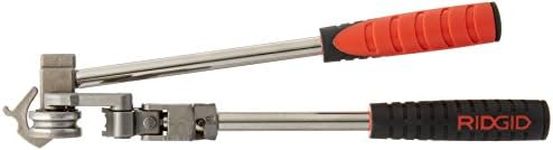
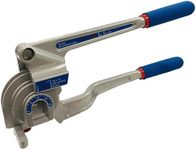
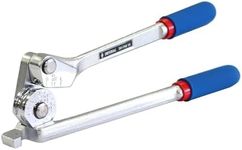
Type of BenderThere are different types of tubing benders, including manual, hydraulic, and electric. Manual benders are suitable for small projects and occasional use, while hydraulic and electric benders are better for frequent use and larger projects. Consider how often you will use the bender and the volume of work you expect to handle. For most DIY brake line projects, a manual bender is usually sufficient.
PortabilityPortability refers to how easy it is to transport and use the bender in different locations. This is important if you need to work on vehicles in various places or if you have limited workspace. Manual benders are generally more portable due to their smaller size and lighter weight. If you need to move the bender frequently, look for a compact and lightweight model.
Ease of UseEase of use encompasses how user-friendly the bender is, including features like clear markings, comfortable handles, and simple operation. This is important because a bender that is difficult to use can lead to mistakes and frustration. Look for a bender with clear angle markings and ergonomic handles to make the bending process smoother and more accurate.