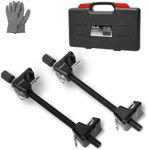
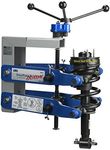
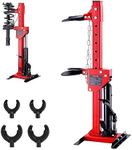
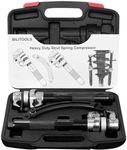
Buying Guide for the Best Strut Spring Compressors
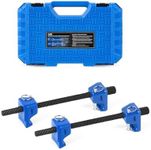
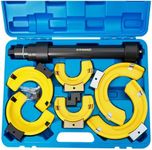
When it comes to picking the right strut-spring compressor, it's important to understand that this tool is essential for safely compressing the coil spring in your vehicle's suspension system. This is a critical task when you need to replace or repair struts, shocks, or springs. Choosing the right compressor can make the job easier and safer. Here are some key specifications to consider when selecting a strut-spring compressor.Type of CompressorThere are mainly two types of strut-spring compressors: internal and external. Internal compressors are inserted inside the spring, while external compressors clamp onto the outside of the spring. Internal compressors are generally more compact and can be easier to use in tight spaces, but they may not fit all spring sizes. External compressors are more versatile and can handle a wider range of spring sizes, but they can be bulkier and harder to maneuver. Choose the type based on the space you have to work with and the variety of springs you expect to handle.
Load CapacityLoad capacity refers to the maximum amount of force the compressor can safely handle. This is important because using a compressor with insufficient load capacity can be dangerous. Load capacities are usually measured in pounds or kilograms. For light-duty vehicles, a compressor with a lower load capacity may suffice, while heavy-duty vehicles will require a compressor with a higher load capacity. Always check the specifications of your vehicle's springs and choose a compressor that can handle at least that amount of force.
Jaw Design and RangeThe jaw design and range determine how well the compressor can grip and compress the spring. Some compressors have adjustable jaws that can fit a variety of spring sizes, while others have fixed jaws designed for specific spring diameters. Adjustable jaws offer more versatility, but fixed jaws can provide a more secure grip. Consider the range of springs you will be working with and choose a compressor with jaws that can accommodate those sizes securely.
Safety FeaturesSafety features are crucial when working with high-tension springs. Look for compressors with safety latches, locking pins, or built-in safety cages that prevent the spring from slipping or releasing unexpectedly. These features can significantly reduce the risk of accidents. Always prioritize safety and choose a compressor with robust safety mechanisms, especially if you are not experienced in using these tools.
Ease of UseEase of use can make a big difference, especially if you are not a professional mechanic. Look for compressors that are easy to set up and operate. Features like quick-release mechanisms, ergonomic handles, and clear instructions can make the process smoother and less stressful. If possible, read user reviews or watch demonstration videos to get a sense of how user-friendly a particular model is.
Durability and Build QualityDurability and build quality are important for ensuring that your compressor will last through multiple uses. Compressors made from high-quality materials like hardened steel are more likely to withstand the stresses of compressing springs. Check for solid construction, good welds, and a reputable brand. Investing in a durable compressor can save you money and hassle in the long run.