Buying Guide for the Best Sandfly Repellent
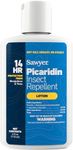
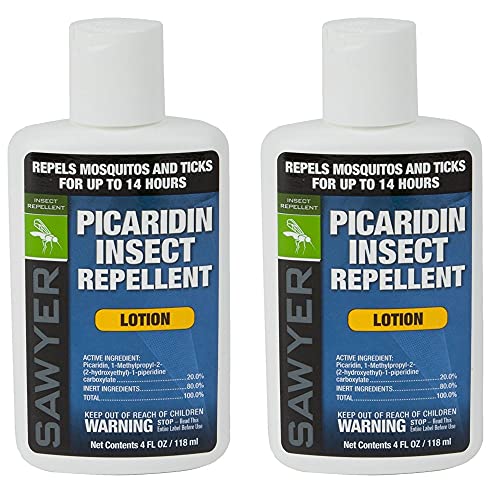
Choosing the right sandfly repellent is crucial for ensuring your comfort and safety, especially if you are planning to spend time in areas where sandflies are prevalent. Sandflies can cause itchy bites and may transmit diseases, so having an effective repellent can make a significant difference. When selecting a sandfly repellent, consider the following key specifications to find the best fit for your needs.Active IngredientsThe active ingredient in a sandfly repellent is the chemical that repels the insects. Common active ingredients include DEET, Picaridin, and natural oils like citronella or eucalyptus. DEET is known for its long-lasting effectiveness, while Picaridin is less greasy and has a milder odor. Natural oils are preferred by those looking for a more eco-friendly option but may need to be reapplied more frequently. Choose an active ingredient based on your preference for effectiveness, scent, and environmental impact.
ConcentrationThe concentration of the active ingredient determines how long the repellent will be effective. Higher concentrations provide longer protection but may be harsher on the skin. For example, a repellent with 30% DEET can offer protection for up to 6 hours, while a 10% concentration might only last for 2 hours. Consider how long you will be exposed to sandflies and choose a concentration that matches the duration of your outdoor activities.
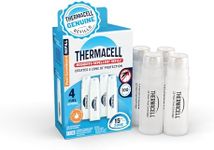
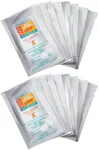
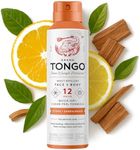
FormulationSandfly repellents come in various formulations, including sprays, lotions, wipes, and wearable devices. Sprays are easy to apply and cover large areas quickly, while lotions provide more controlled application and can be less messy. Wipes are convenient for on-the-go use, and wearable devices like bracelets offer a hands-free option. Think about your personal preference and the convenience of application when selecting a formulation.
Skin SensitivityIf you have sensitive skin or allergies, it's important to choose a repellent that is gentle and hypoallergenic. Some repellents are specifically formulated for sensitive skin and are free from harsh chemicals and fragrances. Look for products labeled as hypoallergenic or designed for sensitive skin to avoid irritation.
Water ResistanceIf you plan to be near water or will be sweating, a water-resistant repellent is essential. Water-resistant repellents will continue to provide protection even if you get wet, making them ideal for activities like swimming, hiking, or working in humid conditions. Check the product label for water resistance information to ensure it meets your needs.
Duration of ProtectionThe duration of protection indicates how long the repellent will be effective after application. This can range from a couple of hours to all-day protection. If you need long-lasting protection, look for repellents that offer extended duration, but be mindful of the concentration and potential skin irritation. For shorter outings, a repellent with a shorter duration may be sufficient.
Environmental ImpactConsider the environmental impact of the repellent you choose. Some repellents contain chemicals that can be harmful to the environment, particularly aquatic life. If you are environmentally conscious, look for repellents made with natural ingredients and biodegradable formulas. These options are generally safer for the environment and can still provide effective protection.