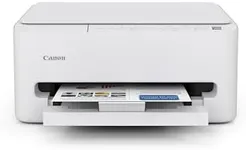
Buying Guide for the Best Printers For Home
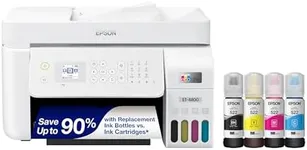
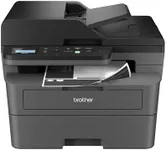
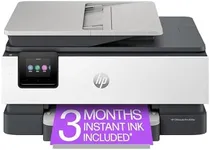
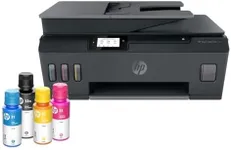
Choosing the right printer for your home can make a big difference in your daily tasks, whether you need it for work, school, or personal projects. To find the best fit, consider what you'll be using the printer for most often, and look at the key specifications to ensure it meets your needs. Here are some important specs to consider when selecting a home printer.Printer TypePrinters come in different types, mainly inkjet and laser. Inkjet printers are versatile and can print both text and high-quality images, making them great for photos and color documents. Laser printers are faster and more efficient for high-volume text printing, but they are generally more expensive and not as good for photos. Choose an inkjet printer if you need to print a variety of documents, including photos. Opt for a laser printer if you primarily print text documents and need speed and efficiency.
Print Quality (DPI)DPI stands for dots per inch and measures the resolution of the print. Higher DPI means better print quality. For general home use, a DPI of 600x600 is usually sufficient. If you plan to print high-quality photos or detailed graphics, look for a printer with a higher DPI, such as 1200x1200 or more. Consider your primary printing needs: standard documents and occasional photos can be handled by lower DPI, while professional-quality photos and graphics require higher DPI.
Print Speed (PPM)PPM stands for pages per minute and indicates how fast the printer can print. For home use, a speed of 10-20 PPM is generally adequate. If you frequently print large documents or need quick printouts, look for a printer with a higher PPM. Assess how often you print and how much time you can afford to wait for your documents. If speed is not a critical factor, a lower PPM printer will suffice.
Connectivity OptionsModern printers offer various connectivity options such as USB, Wi-Fi, Bluetooth, and Ethernet. Wi-Fi and Bluetooth allow for wireless printing from multiple devices, which is convenient for a home with several users. USB connections are reliable but require a direct connection to your computer. Consider how you will be using the printer: if you need to print from multiple devices or locations, opt for a printer with wireless capabilities. For single-device use, a USB connection may be sufficient.
Paper HandlingPaper handling refers to the types and sizes of paper a printer can accommodate, as well as the capacity of its paper tray. For home use, a printer that handles standard letter-size paper (8.5x11 inches) and has a tray capacity of 100-150 sheets is usually enough. If you need to print on different paper sizes or types, such as envelopes or photo paper, ensure the printer supports these options. Think about the variety of documents you will print and choose a printer that can handle your specific needs.
Cost of ConsumablesConsumables include ink or toner cartridges and paper. The cost and availability of these items can significantly impact the overall cost of owning a printer. Inkjet printers generally have lower upfront costs but higher ongoing costs for ink, while laser printers have higher upfront costs but lower per-page costs for toner. Research the cost and yield of the consumables for the printers you are considering. If you print frequently, a printer with lower consumable costs will be more economical in the long run.
Additional FeaturesAdditional features such as scanning, copying, faxing, and duplex printing (printing on both sides of the paper) can add convenience and functionality. All-in-one printers that include scanning and copying are useful for home offices or students. Duplex printing saves paper and is environmentally friendly. Consider what extra features you might need based on your typical use cases. If you only need basic printing, a simple printer without extra features will suffice. If you need more functionality, look for an all-in-one model.