Buying Guide for the Best Photo Printers
Choosing a photo printer can be an exciting journey, especially if you're passionate about printing your own photos at home or in a small office. The important thing is to think about how you plan to use the printer: Will you be printing family photos, professional-quality images, or just the occasional snapshot? Understanding your needs will help you narrow down the huge selection of photo printers to the model that fits your workflow and space best.Print ResolutionPrint resolution refers to the sharpness and detail a printer can produce, measured in dots per inch (DPI). Higher DPI means the printer can put more tiny dots of ink on the page, resulting in clearer, crisper images. Basic printers may have a lower DPI, which is fine for casual snapshots, while high-end photo printers go much higher to handle professional-level prints. If you want to print large, detailed photographs or need gallery-quality results, look for higher DPI values. For everyday or smaller prints, a moderate DPI will still give pleasing results.
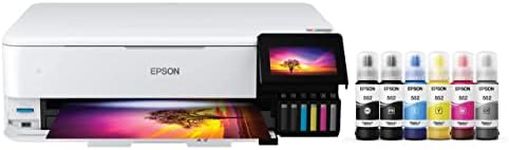
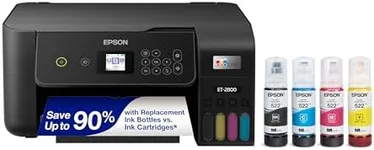
Ink System (Number of Ink Cartridges)The ink system describes how many separate ink colors a printer uses to create a wide range of colors. Entry-level photo printers might use just four cartridges (cyan, magenta, yellow, black), while advanced ones may offer five, six, or even more, including special colors like light cyan or gray. More cartridges usually mean better color accuracy and smoother transitions in your prints. If you care deeply about image quality or print a lot of black-and-white photos, a printer with more ink colors is preferable. For casual family albums, a basic system can suffice.
Print Size CapabilityPrint size capability tells you the largest piece of photo paper the printer can handle. Some printers are compact and only print small, postcard-sized photos, while others can manage larger formats, such as A4 or even up to 13x19 inches. Consider what you want to print most of the time. If you only need 4x6 inch prints, a smaller printer saves space and cost. If you foresee making posters or art prints, look for a printer that supports larger sizes.
Print SpeedPrint speed is how quickly a printer can produce a photo, usually measured in pages per minute (ppm) or the number of seconds per photo. Faster printers help when you plan to print many photos in one session. However, very high speed sometimes means a slight loss in print quality. If you value quality over quantity and don't mind waiting, speed isn't as crucial. If you want to produce many prints quickly—such as for events or parties—consider a model with higher print speeds.
Connectivity OptionsConnectivity options describe how you can send images to your printer. Traditional options include USB for direct computer connections, while modern printers might support Wi-Fi, Bluetooth, or even direct SD card slots. If you like printing straight from your phone or tablet, wireless features make life easier. Think about your current devices and typical photo sources to decide which connectivity options are most important for your usage.
Media SupportMedia support refers to the types of paper and media a printer can handle, such as glossy, matte, fine-art papers, or even printable CDs. Some printers support thicker or specialty papers, while basic ones do not. If you enjoy experimenting with different artistic looks or need durable photo prints, consider printers that accept a wide range of media types. For standard family photos, basic media support is typically enough.
Longevity and Print DurabilityLongevity and print durability indicate how long your photos will last before fading. Some printers use archival-quality inks that resist light, humidity, and smudging for many years. This is important if you’re printing keepsakes or art meant to be displayed. If your photos are for short-term use or digital storage is more important, longevity might be less of a concern.