We Use CookiesWe use cookies to enhance the security, performance, functionality and for analytical and promotional activities. By continuing to browse this site you are agreeing to our privacy policy

Best Mini Gaming Computer

From leading brands and best sellers available on the web.
#1

Winner

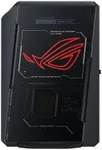
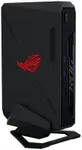
ROG NUC (2025) Gaming Mini PC with

ASUS

ROG NUC (2025) Gaming Mini PC with Intel® Core™ Ultra 9 (Series 2) ARL-HX CPU, NVIDIA® GeForce RTX™ 5070 Ti MobileGPU, 16GB DDR5 RAM, 1TB NVMe SSD, Thunderbolt 4 Triple-Fan Cooling and ARGB Lighting
View on Amazon
#2
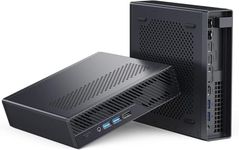
ROG NUC 760 Full System Mini PC wit

ASUS

ROG NUC 760 Full System Mini PC with Intel 14th Gen Core Ultra 7 155H, NVIDIA GeForce RTX 4060 Graphics, 16GB DDR5 RAM, 1TB PCIe G4x4 NVMe SSD, Win 11, ARGB Lighting, with Vertical Stand Included
View on Amazon
#3
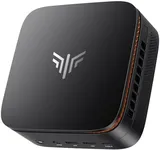
GMKtec Gaming Mini PC K8 Plus AMD R

GMKtec

11%OFF

GMKtec Gaming Mini PC K8 Plus AMD Ryzen 7 8845HS(8C/16T, up to 5.1GHz) 32GB DDR5 RAM 1TB SSD, Desktop Computer Dual NIC 2.5G, HDMI 2.1, USB4

View on Amazon
#4
GMKtec EVO-T1 AI Mini PC Workstatio

GMKtec

GMKtec EVO-T1 AI Mini PC Workstation Ultra 9 285H (up to 5.4GHz) Mini Gaming Computer, 64GB DDR5 (32GB*2) 1TB PCIe 4.0 SSD 3X M.2 Expansion Slots, Oculink, Quad Screen 8K Display

View on Amazon
#5
MINISFORUM Mini PC AI X1 Pro AMD Ry

MINISFORUM

MINISFORUM Mini PC AI X1 Pro AMD Ryzen AI 9 HX370(12Cores/24 Threads)&AMD Radeon 890M Mini Gaming PC,96GB DDR5 2TB SSD,8K Quad Output(HDMI+DP+2xUSB4),Dual 2.5 LAN/WIFI7/BT5.4/Oculink,Copilot PC

View on Amazon
#6
ROG NUC (2025) Gaming Mini PC with

ASUS

ROG NUC (2025) Gaming Mini PC with Intel® Core™ Ultra 7 (Series 2) ARL-HX CPU, NVIDIA® GeForce RTX™ 5060 MobileGPU, 32GB DDR5 RAM, 1TB NVMe SSD, Thunderbolt™ 4, Triple-Fan Cooling, and ARGB Lighting

View on Amazon
#7
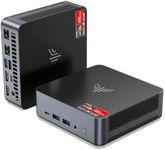
GMKtec Mini PC Gaming, K6 AMD Ryzen

GMKtec

GMKtec Mini PC Gaming, K6 AMD Ryzen 7 7840HS Dual NIC LAN 2.5Gbps Desktop Computer, 32GB DDR5 (16GB*2) 1TB PCIe4.0 SSD, USB4.0, HDMI, DP, USB-C, WiFi 6E, BT 5.2

View on Amazon
#8
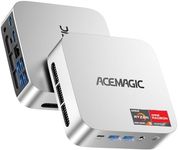
ACEMAGIC Mini PC Gaming AMD Ryzen 7

ACEMAGIC

12%OFF

editor-choice-ribbon

ACEMAGIC Mini PC Gaming AMD Ryzen 7 6800H 11 Pro (Up to 4.7GHz) 32GB RAM 1TB SSD, Radeon 680M Triple 4K Display Mini Computers Desktop Micro Small Pc for Gaming/Office 3.2Type-C/LAN 2.5G/BT5.2/WiFi 6

View on Amazon
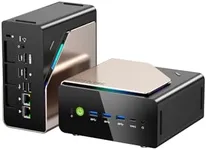
#9
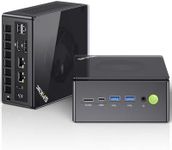
MINISFORUM MS-A2 Mini Workstation A

MINISFORUM

MINISFORUM MS-A2 Mini Workstation AMD Ryzen 9 9955HX(16C/32T, up to 5.4GHz) 64GB RAM 1TB SSD Mini PC, HDMI/2xUSB-C Triple Display Mini PC, 2x2.5G LAN Port|10G SFP+ Port, Support M.2 2280/22110/U.2 SSD
View on Amazon
#10
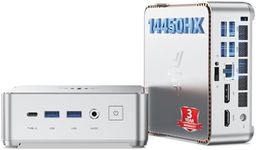
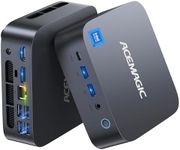
KAMRUI AM21 Mini PC, AMD Ryzen 7 87

KAMRUI

20%OFF

editor-choice-ribbon

KAMRUI AM21 Mini PC, AMD Ryzen 7 8745HS (8C/16T, up to 4.9GHz), 32GB DDR5 5600MHz RAM, 1TB M.2 2280 PCIe 4.0 SSD, Mini Desktop Computer with Radeon 780M, USB4, Quad Display, Dual LAN, HDMI, WiFi 6
View on Amazon
How do we rank products for you?

Our technology thoroughly searches through the online shopping world, reviewing hundreds of sites. We then process and analyze this information, updating in real-time to bring you the latest top-rated products. This way, you always get the best and most current options available.

headphones-stars

Most Popular Categories Right Now

Buying Guide for the Best Mini Gaming Computer

When choosing a mini-gaming computer, it's important to balance performance, size, and cooling capabilities. Mini-gaming computers are compact, making them ideal for small spaces or for those who want a portable gaming setup. However, their small size can sometimes limit the hardware options and cooling efficiency. To ensure you get the best fit for your needs, consider the following key specifications and how they align with your gaming requirements.
Processor (CPU)The CPU is the brain of your computer and is crucial for overall performance. For gaming, a multi-core processor with high clock speeds is important as it can handle complex game physics and AI. CPUs are generally divided into entry-level, mid-range, and high-end. Entry-level CPUs are suitable for less demanding games, mid-range CPUs can handle most modern games at decent settings, and high-end CPUs are for those who want to play the latest games at the highest settings. Choose a CPU based on the types of games you play and how future-proof you want your system to be.
Graphics Card (GPU)The GPU is responsible for rendering images, videos, and animations, making it a critical component for gaming. A powerful GPU ensures smooth gameplay and high-quality graphics. GPUs are categorized into entry-level, mid-range, and high-end. Entry-level GPUs can handle older or less demanding games, mid-range GPUs are suitable for most modern games at medium to high settings, and high-end GPUs are for those who want to play the latest games at ultra settings. Your choice should depend on the resolution and graphical fidelity you desire in your games.
RAMRAM (Random Access Memory) is important for multitasking and ensuring smooth performance during gaming. More RAM allows your computer to handle more data at once, which is beneficial for gaming and running other applications simultaneously. For gaming, 8GB of RAM is the minimum, 16GB is recommended for most modern games, and 32GB is for those who want to future-proof their system or run very demanding applications alongside gaming. Choose the amount of RAM based on your gaming habits and any additional tasks you plan to perform while gaming.
StorageStorage affects how much data you can store and how quickly your system can access it. There are two main types: HDD (Hard Disk Drive) and SSD (Solid State Drive). SSDs are faster and more reliable but more expensive, while HDDs offer more storage for a lower price. For gaming, an SSD is recommended for faster load times and better overall performance. A combination of an SSD for your operating system and games, and an HDD for additional storage, is a good balance. Choose based on how many games and other files you need to store.
Cooling SystemCooling is crucial in a mini-gaming computer due to the compact space, which can lead to overheating. Effective cooling ensures your components run efficiently and have a longer lifespan. There are air cooling and liquid cooling systems. Air cooling is generally sufficient for most users and is easier to maintain, while liquid cooling is more efficient but can be more complex to install and maintain. Choose a cooling system based on the power of your components and how much you plan to push your system with intensive gaming sessions.
Power Supply Unit (PSU)The PSU provides power to all the components in your computer. It's important to have a reliable PSU with enough wattage to support your system, especially if you have high-end components. PSUs are rated by wattage and efficiency. A higher wattage PSU is necessary for more powerful systems, while efficiency ratings (like 80 Plus Bronze, Silver, Gold, etc.) indicate how effectively the PSU converts power. Choose a PSU that meets the power requirements of your components and has a good efficiency rating to ensure stable and reliable performance.
ConnectivityConnectivity options determine how you can connect peripherals and other devices to your computer. Important connectivity features include USB ports, HDMI/DisplayPort for monitors, Ethernet for wired internet, and Wi-Fi capabilities. Ensure the mini-gaming computer has enough ports for your needs, including any VR headsets, external storage, or other gaming accessories you plan to use. Choose based on the peripherals you currently have and any future devices you might want to connect.