Buying Guide for the Best Min Max Thermometer For Greenhouse
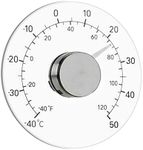
When choosing a min-max thermometer for your greenhouse, it's important to consider several key specifications to ensure you get a device that meets your needs. A min-max thermometer helps you monitor the lowest and highest temperatures in your greenhouse, which is crucial for maintaining optimal growing conditions for your plants. Understanding the key specifications will help you make an informed decision and select the best thermometer for your greenhouse environment.Temperature RangeThe temperature range indicates the minimum and maximum temperatures that the thermometer can measure. This is important because it ensures the thermometer can accurately record the full range of temperatures your greenhouse might experience. For most greenhouses, a range of -40°F to 120°F (-40°C to 50°C) is sufficient. If you live in an area with extreme temperatures, you may need a thermometer with a wider range. Choose a thermometer with a range that covers the expected temperature variations in your greenhouse.
AccuracyAccuracy refers to how close the thermometer's readings are to the actual temperature. This is crucial for maintaining precise control over your greenhouse environment. Look for a thermometer with an accuracy of at least ±1°F (±0.5°C). Higher accuracy is better, especially if you are growing plants that are sensitive to temperature fluctuations. Consider your plants' needs and choose a thermometer with the appropriate level of accuracy.
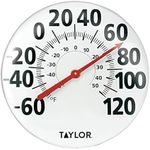
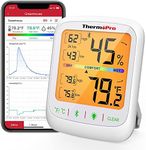
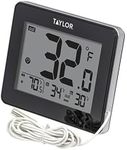
Display TypeThe display type can be either analog or digital. Analog thermometers use a dial and pointer, while digital thermometers have an electronic display. Digital displays are generally easier to read and often come with additional features like memory functions and alarms. Analog thermometers are simple and do not require batteries. Choose a display type based on your preference for readability and any additional features you might find useful.
Memory FunctionA memory function allows the thermometer to store the minimum and maximum temperatures recorded over a period of time. This is important for tracking temperature trends and making adjustments to your greenhouse environment. Some thermometers reset automatically after 24 hours, while others require manual resetting. If you want to keep a close eye on temperature fluctuations, choose a thermometer with a reliable memory function.
DurabilityDurability refers to the thermometer's ability to withstand the conditions in your greenhouse, such as humidity and temperature changes. A durable thermometer will last longer and provide consistent readings. Look for thermometers made from high-quality materials that are resistant to moisture and temperature extremes. Consider the conditions in your greenhouse and choose a thermometer that can handle them.
Mounting OptionsMounting options determine how and where you can place the thermometer in your greenhouse. Some thermometers come with hooks, stands, or magnets for easy placement. This is important for ensuring the thermometer is positioned correctly for accurate readings. Choose a thermometer with mounting options that suit your greenhouse layout and make it easy to place the device in an optimal location.