We Use CookiesWe use cookies to enhance the security, performance, functionality and for analytical and promotional activities. By continuing to browse this site you are agreeing to our privacy policy

Best Long Range Wifi Antenna

From leading brands and best sellers available on the web.
#1

Winner

C. Crane CC Vector Extended Long Ra

C.Crane

6%OFF

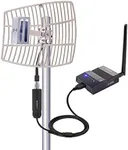
C. Crane CC Vector Extended Long Range WiFi Receiver System - Works with All Devices - Receives Distant WiFi and Repeats to All WiFi Devices in a New Location 2.4GHz

View on Amazon
#2
Bolton Technical Long Ranger Antenn

Bolton Technical

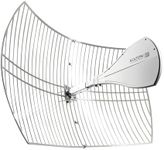
Bolton Technical Long Ranger Antenna (BT974822) | Parabolic - Over 20 Miles Range | All Cell Bands: 5G, 4G, LTE | WiFi 2.4/5 GHz WiFi 6 | High Gain Cellular/WiFi Antenna up to +28 dB | All Carriers
View on Amazon
#3
WAVLINK AX3000 WiFi 6 Wireless Outd

WAVLINK

editor-choice-ribbon

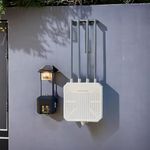
WAVLINK AX3000 WiFi 6 Wireless Outdoor Repeater, Long Range Outdoor Extender WiFi with Dual Band/PoE/IP67 Waterproof/600mW of Power/Up to 256 Devices, Support Work with Starlink for Farm,Campsite
View on Amazon
#4
WAVLINK AX3000 Outdoor WiFi 6 Repea

WAVLINK

editor-choice-ribbon

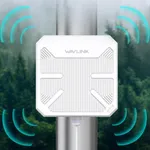
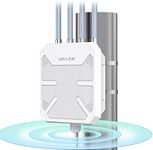
WAVLINK AX3000 Outdoor WiFi 6 Repeater, Long-Range WiFi Extender/Access Point/Router with Dual Band/PoE/IP67 Waterproof/Up to 3Km, Supports Up to 256 Devices for Garage, Yard, RV
View on Amazon
#5
WAVLINK Outdoor WiFi 6 Extender AX1

WAVLINK

WAVLINK Outdoor WiFi 6 Extender AX1800 High Power Outdoor Weatherproof WiFi Range Extender Access Point with Passive/Active POE, Dual Band 2.4GHz+5GHz, 4x8dBi Detachable Antenna

View on Amazon
#6
WAVLINK Outdoor WiFi Extender AX180

WAVLINK

WAVLINK Outdoor WiFi Extender AX1800 High Power Outdoor Weatherproof WiFi Range Extender, Long Range Outdoor WiFi Access Point with 8dBi Detachable Antenna, Passive/Active POE, Dual Band 2.4GHz+5GHz

View on Amazon
#7
WAVLINK Outdoor WiFi Extender AX180

WAVLINK

5%OFF

editor-choice-ribbon

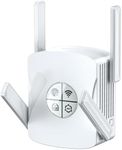
WAVLINK Outdoor WiFi Extender AX1800 Dual Band Long Range WiFi Extender with PoE, IP67 Weatherproof, 4x8dBi High-gain Antennas, Outdoor Access Point for Farm, Courtyard, Factory, Campsite, Gazebo
View on Amazon
#8
New Gen WiFi 6 Extender Signal Boos

Techtex

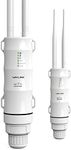
New Gen WiFi 6 Extender Signal Booster for Home | 2.4Gb/s Dual Band 5GHz & 2.4GHz | 2024 WiFi Repeater 5X Faster Than Ever Signal Amplifier with Ethernet Port, Longest Range up to 10k+sq.ft
View on Amazon
#9
Wavlink AC600 Outdoor WiFi Range Ex

WAVLINK

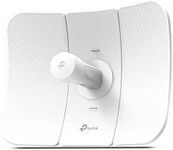
Wavlink AC600 Outdoor WiFi Range Extender, 2024 Outdoor Access Point with PoE, Waterproof IP65, Long Range WiFi Signal, Support AP, Router, Repeater Modes, Up to 64 Devices for Backyard, Garage
View on Amazon
#10
TP-Link CPE710 | 5GHz AC 867Mbps Lo

TP-Link

TP-Link CPE710 | 5GHz AC 867Mbps Long Range Gigabit Outdoor CPE for PtP and PtMP Transmission | Point to Point Wireless Bridge | 23dBi | Passive PoE Powered w/Free PoE Injector | Pharos Control

View on Amazon
How do we rank products for you?

Our technology thoroughly searches through the online shopping world, reviewing hundreds of sites. We then process and analyze this information, updating in real-time to bring you the latest top-rated products. This way, you always get the best and most current options available.

headphones-stars

Most Popular Categories Right Now

Buying Guide for the Best Long Range Wifi Antenna

Choosing the right long-range WiFi antenna can significantly improve your wireless network's performance, especially if you need to cover a large area or connect to a distant access point. The key to selecting the best antenna for your needs is understanding the various specifications and how they impact performance. Here are the key specs you should consider and how to navigate them to find the best fit for you.
Frequency BandThe frequency band of a WiFi antenna determines the range and speed of the connection. WiFi antennas typically operate on 2.4 GHz, 5 GHz, or dual-band (both 2.4 GHz and 5 GHz). The 2.4 GHz band offers a longer range but slower speeds, making it suitable for covering larger areas with fewer obstacles. The 5 GHz band provides faster speeds but a shorter range, ideal for high-speed connections in smaller areas with minimal interference. Dual-band antennas offer the flexibility to switch between bands based on your needs. Choose a frequency band based on whether you prioritize range or speed and the environment in which the antenna will be used.
GainGain, measured in decibels (dBi), indicates the strength of the antenna's signal. Higher gain values mean a stronger, more focused signal, which can cover longer distances. Antennas with lower gain (2-8 dBi) are suitable for short to medium distances and provide a wider coverage area, making them ideal for indoor use or areas with many obstacles. Higher gain antennas (8-24 dBi) are better for long-range, point-to-point connections in open areas. Choose the gain based on the distance you need to cover and the presence of obstacles in the environment.
Antenna TypeThere are different types of WiFi antennas, including omnidirectional, directional, and sector antennas. Omnidirectional antennas radiate signal in all directions, making them suitable for general coverage in all directions, such as in a home or office. Directional antennas focus the signal in a specific direction, providing a stronger connection over longer distances, ideal for point-to-point connections. Sector antennas cover a specific sector or angle, useful for covering large outdoor areas like parks or campuses. Choose the antenna type based on the coverage pattern you need.
PolarizationPolarization refers to the orientation of the antenna's electric field. WiFi antennas can be vertically, horizontally, or circularly polarized. Vertical polarization is common and works well for most standard applications. Horizontal polarization can reduce interference in environments with many vertically polarized signals. Circular polarization can help maintain a stable connection in environments with varying signal orientations. Choose the polarization based on the typical orientation of devices in your network and the level of interference in your environment.
Connector TypeThe connector type determines how the antenna connects to your WiFi device. Common connector types include SMA, RP-SMA, N-type, and TNC. Ensure that the antenna's connector type matches the connector on your WiFi device or that you have the appropriate adapter. This is crucial for ensuring a secure and efficient connection between the antenna and your device.
WeatherproofingIf you plan to use the WiFi antenna outdoors, weatherproofing is an important consideration. Weatherproof antennas are designed to withstand various environmental conditions such as rain, wind, and extreme temperatures. Look for antennas with an IP (Ingress Protection) rating, which indicates their level of protection against dust and water. Choose a weatherproof antenna if you need reliable performance in outdoor settings.