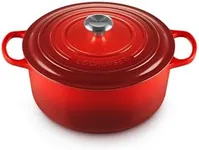
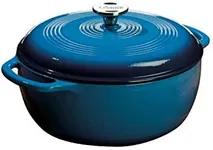
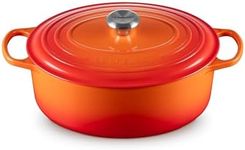
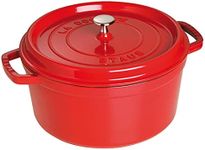
Buying Guide for the Best Lightweight Dutch Ovens
Choosing the right lightweight Dutch oven can significantly enhance your cooking experience. Dutch ovens are versatile kitchen tools that can be used for a variety of cooking methods, including baking, braising, roasting, and simmering. When selecting a lightweight Dutch oven, it's important to consider several key specifications to ensure you get the best fit for your needs. Here are some essential factors to keep in mind while making your decision.MaterialThe material of a Dutch oven affects its weight, heat retention, and durability. Common materials include cast iron, enameled cast iron, and aluminum. Cast iron is known for excellent heat retention but can be heavy. Enameled cast iron offers the same benefits with easier cleaning and a variety of colors. Aluminum is lightweight and heats up quickly but may not retain heat as well. Choose a material based on your cooking habits and the importance of weight and heat retention in your cooking.
SizeDutch ovens come in various sizes, typically measured in quarts. The size you choose should depend on the number of people you usually cook for and the types of dishes you plan to make. Smaller sizes (2-4 quarts) are ideal for side dishes or meals for one or two people. Medium sizes (5-7 quarts) are versatile and suitable for families. Larger sizes (8+ quarts) are great for big batches or entertaining. Consider your typical cooking needs to select the right size.
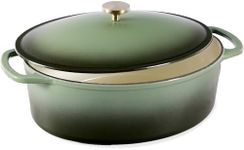
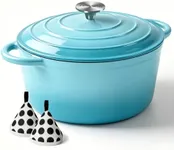
ShapeDutch ovens are available in round and oval shapes. Round Dutch ovens are more common and fit well on stovetops, making them ideal for soups, stews, and braises. Oval Dutch ovens provide more surface area, which is useful for larger cuts of meat or whole poultry. Think about the types of dishes you frequently prepare to determine which shape will be most practical for you.
WeightWeight is a crucial factor, especially if you need a lightweight option. Traditional cast iron Dutch ovens can be quite heavy, while aluminum and some enameled cast iron models are lighter. If you plan to move your Dutch oven frequently or have difficulty lifting heavy objects, opt for a lighter material. Balance the need for weight with the benefits of heat retention and durability.
Lid DesignThe lid design can impact cooking performance. Some lids have spikes or ridges on the underside to help baste food by redistributing moisture. Others are flat and simple. A tight-fitting lid is essential for retaining heat and moisture. Consider whether you need a self-basting lid based on the types of recipes you cook and your preference for moisture retention.
HandlesHandles should be sturdy and easy to grip, especially when dealing with heavy pots. Look for large, ergonomic handles that allow for a secure grip, even with oven mitts. This is particularly important for safety and ease of use. If you have smaller hands or limited strength, ensure the handles are comfortable and practical for you.
CompatibilityEnsure the Dutch oven is compatible with your cooking appliances. Most Dutch ovens work well on gas, electric, and induction stovetops, as well as in the oven. However, some materials may not be suitable for certain heat sources. Verify compatibility with your stove and oven to avoid any issues.