Buying Guide for the Best Dutch Ovens
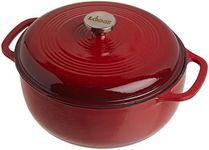
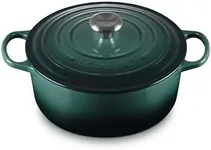
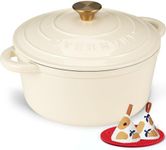
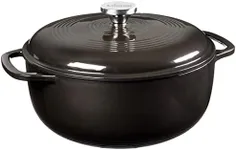
Choosing the right Dutch oven can significantly enhance your cooking experience. Dutch ovens are versatile, durable, and can be used for a variety of cooking methods such as braising, baking, frying, and more. When selecting a Dutch oven, it's important to consider several key specifications to ensure you get the best fit for your cooking needs. Here are the key specs to look out for and how to navigate them.MaterialDutch ovens are typically made from cast iron, which can be either enameled or non-enameled. Enameled cast iron is coated with a layer of enamel, making it easier to clean and resistant to rust, but it can be more expensive. Non-enameled cast iron requires seasoning to maintain its non-stick properties and prevent rust. If you prefer low maintenance and vibrant colors, go for enameled. If you enjoy traditional cooking and don't mind the upkeep, non-enameled might be for you.
SizeDutch ovens come in various sizes, usually measured in quarts. Common sizes range from 3 quarts to 7 quarts or more. A 3-4 quart Dutch oven is suitable for small families or side dishes, while a 5-6 quart is versatile for most recipes and families of 4-6 people. Larger sizes, like 7 quarts or more, are ideal for big families or batch cooking. Consider the number of people you typically cook for and the types of dishes you plan to make when choosing the size.
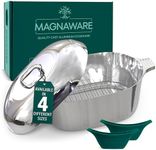
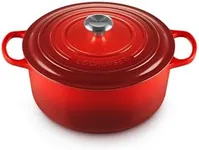
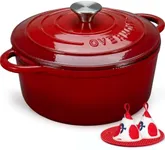
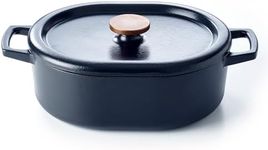
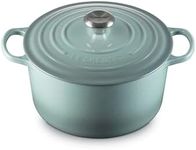
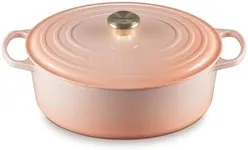
ShapeDutch ovens are available in round and oval shapes. Round Dutch ovens are more common and fit well on standard stovetops, making them ideal for soups, stews, and baking bread. Oval Dutch ovens provide more surface area, which is great for roasting larger cuts of meat or poultry. Choose a shape based on the types of dishes you cook most frequently and the size of your stovetop.
WeightDutch ovens are generally heavy due to their cast iron construction. The weight can vary depending on the size and material. Heavier Dutch ovens retain heat better and provide more even cooking, but they can be cumbersome to handle. If you have difficulty lifting heavy objects, consider a smaller or lighter model. Balance the need for heat retention with your ability to manage the weight.
Lid DesignThe lid of a Dutch oven is crucial for retaining moisture and heat. Some lids have a tight-fitting design with a smooth interior, while others feature self-basting spikes that help to redistribute moisture evenly. If you often cook dishes that require braising or slow cooking, a lid with self-basting spikes can be beneficial. For general use, a tight-fitting lid without spikes will suffice.
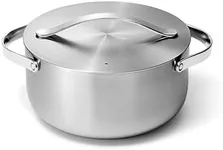
HandlesHandles on a Dutch oven should be sturdy and easy to grip, as you'll need to move the pot in and out of the oven or around the kitchen. Look for large, looped handles that can accommodate oven mitts. If you have smaller hands or limited strength, ensure the handles are comfortable and provide a secure grip. This will make handling the Dutch oven safer and more convenient.