Buying Guide for the Best Kitchen Fire Extinguishers
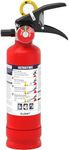
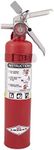
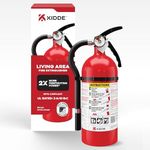
Choosing the right kitchen fire extinguisher is crucial for ensuring safety in your home. Kitchen fires can start quickly and spread rapidly, so having an extinguisher that is easy to use and effective against common kitchen fires is essential. When selecting a fire extinguisher, consider the type of fires it can handle, its size, ease of use, and maintenance requirements. Understanding these key specifications will help you make an informed decision and keep your kitchen safe.Fire Class RatingFire extinguishers are rated based on the types of fires they can extinguish. For kitchen use, look for an extinguisher with a Class K rating, which is specifically designed for fires involving cooking oils and fats. Some extinguishers may also have Class A (ordinary combustibles) and Class B (flammable liquids) ratings, which can be useful in a kitchen setting. Ensure the extinguisher you choose is suitable for the types of fires most likely to occur in your kitchen.
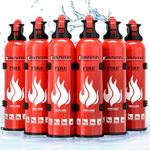
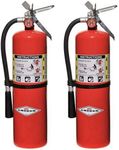
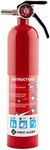
Size and WeightThe size and weight of a fire extinguisher affect its ease of use and the amount of extinguishing agent it contains. Smaller extinguishers (2-5 pounds) are easier to handle and store, making them ideal for home kitchens. Larger extinguishers (10 pounds or more) provide more extinguishing power but can be heavier and more challenging to use. Consider who will be using the extinguisher and choose a size that balances ease of use with sufficient fire-fighting capacity.
Ease of UseIn an emergency, you need a fire extinguisher that is simple and quick to operate. Look for features such as a clear instruction label, an easy-to-pull safety pin, and a manageable discharge lever. Some extinguishers come with a hose for better aim and control. Practice using the extinguisher (without discharging it) to ensure you are familiar with its operation. Choose an extinguisher that you feel confident using under stress.
Maintenance and LifespanFire extinguishers require regular maintenance to ensure they are in working order when needed. Check the manufacturer's guidelines for maintenance requirements, such as monthly visual inspections and annual professional servicing. Some extinguishers have pressure gauges that indicate if they are charged and ready for use. Additionally, consider the extinguisher's lifespan, which is typically 5-15 years. Choose an extinguisher with clear maintenance instructions and a reasonable lifespan to ensure long-term reliability.
Refillable vs. DisposableFire extinguishers can be either refillable or disposable. Refillable extinguishers can be recharged after use, making them a more sustainable and cost-effective option in the long run. However, they may require professional servicing. Disposable extinguishers are designed for one-time use and must be replaced after discharge. They are generally more convenient but can be more expensive over time if you need to replace them frequently. Consider your preference for convenience versus long-term cost when choosing between refillable and disposable options.