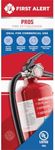
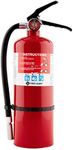
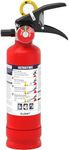
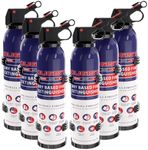
Buying Guide for the Best Fire Extinguishers
Choosing the right fire extinguisher is crucial for ensuring safety in your home, office, or any other space. Fire extinguishers are designed to tackle different types of fires, and selecting the appropriate one can make a significant difference in an emergency. Understanding the key specifications and how they relate to your specific needs will help you make an informed decision.Fire Class RatingFire class ratings indicate the type of fires the extinguisher is designed to combat. The main classes are A (ordinary combustibles like wood and paper), B (flammable liquids like gasoline), C (electrical fires), D (flammable metals), and K (cooking oils and fats). It's important because using the wrong type of extinguisher can be ineffective or even dangerous. For example, a Class A extinguisher won't work on a grease fire. To choose the right one, consider the common fire hazards in your environment. For a home kitchen, a Class K extinguisher is essential, while a general-purpose extinguisher with A, B, and C ratings is suitable for most other areas.
Size and WeightThe size and weight of a fire extinguisher determine how much extinguishing agent it contains and how long it can be used. This is important because a larger extinguisher can handle bigger fires but may be harder to maneuver. Extinguishers typically range from 2 to 20 pounds. For home use, a 5-pound extinguisher is a good balance between capacity and ease of use. In commercial settings, larger extinguishers may be necessary. Consider who will be using the extinguisher and ensure they can comfortably handle its weight.
Discharge TimeDischarge time refers to how long the extinguisher can release its contents. This is crucial because a longer discharge time gives you more opportunity to put out the fire. Discharge times can range from 8 to 60 seconds. For small, contained fires, a shorter discharge time may be sufficient, but for larger or more unpredictable fires, a longer discharge time is preferable. Assess the potential fire risks in your area to determine the appropriate discharge time.
Pressure GaugeA pressure gauge indicates whether the extinguisher is properly pressurized and ready for use. This is important because an extinguisher that is not pressurized will not work effectively in an emergency. The gauge typically has a green zone indicating the extinguisher is ready and a red zone indicating it needs servicing. Regularly check the gauge to ensure your extinguisher is always in working condition. Choose an extinguisher with an easy-to-read gauge to facilitate regular maintenance.
RechargeabilityRechargeability refers to whether the extinguisher can be refilled and reused after it has been discharged. This is important for long-term cost-effectiveness and environmental impact. Non-rechargeable extinguishers are typically less expensive upfront but must be replaced after use. Rechargeable extinguishers can be refilled by a professional, making them a more sustainable option. Consider how often you might need to use the extinguisher and whether the convenience of a disposable model outweighs the benefits of a rechargeable one.
UL RatingThe UL rating is a numerical rating given by Underwriters Laboratories that indicates the extinguisher's effectiveness against specific types of fires. For example, a 2A:10B:C rating means the extinguisher is effective against Class A fires with a rating of 2, Class B fires with a rating of 10, and is also suitable for Class C fires. This rating is important because it provides a standardized measure of performance. Higher numbers indicate greater firefighting capacity. Choose an extinguisher with a UL rating that matches the potential fire hazards in your environment. For general home use, a rating of 2A:10B:C is often recommended.