Buying Guide for the Best Kindling Splitters
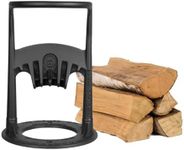
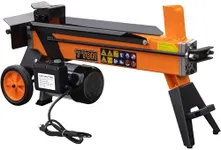
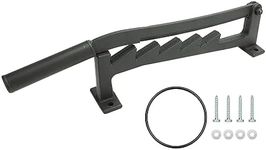
Choosing the right kindling splitter can make your wood-splitting tasks much easier and more efficient. A kindling splitter is a tool designed to split small pieces of wood into kindling, which is essential for starting fires in fireplaces, wood stoves, or campfires. When selecting a kindling splitter, it's important to consider several key specifications to ensure you get a product that meets your needs and preferences. Here are the key specs to look at and how to choose the best one for you.MaterialThe material of the kindling splitter is crucial because it affects the tool's durability and performance. Common materials include cast iron, steel, and high-grade plastic. Cast iron and steel are highly durable and can withstand heavy use, making them ideal for frequent wood splitting. High-grade plastic is lighter and may be suitable for occasional use. If you plan to use the splitter regularly, opt for a metal one for longevity and reliability.
Size and WeightThe size and weight of the kindling splitter determine its portability and ease of use. Smaller, lighter splitters are easier to handle and transport, making them suitable for camping or occasional use at home. Larger, heavier splitters are more stable and can handle bigger pieces of wood, which is beneficial for regular use. Consider how and where you will use the splitter to choose the right size and weight for your needs.
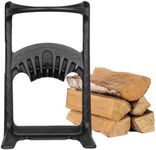
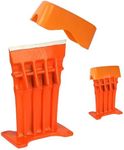
Blade DesignThe blade design affects how efficiently the splitter can cut through wood. Some splitters have a single blade, while others have multiple blades or a wedge design. Single blades are straightforward and effective for basic splitting tasks. Multiple blades or wedge designs can split wood into several pieces at once, increasing efficiency. If you need to split a lot of kindling quickly, a multi-blade or wedge design may be more suitable.
Safety FeaturesSafety features are important to prevent accidents and injuries while using the kindling splitter. Look for features such as blade guards, non-slip bases, and ergonomic handles. Blade guards protect your hands from accidental cuts, non-slip bases keep the splitter stable during use, and ergonomic handles reduce strain on your hands and wrists. Prioritize safety features, especially if you are new to using kindling splitters or if multiple people will be using the tool.
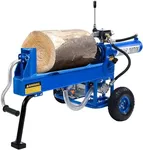
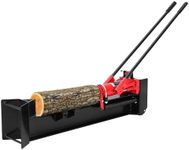
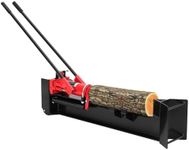
Ease of UseEase of use is determined by how simple and intuitive the kindling splitter is to operate. Some splitters require manual force, while others use a lever or foot pedal mechanism to make splitting easier. Manual splitters are straightforward but may require more physical effort. Lever or foot pedal mechanisms reduce the effort needed and can be more user-friendly. Consider your physical strength and preference for manual versus assisted operation when choosing a splitter.
MaintenanceMaintenance involves the care and upkeep required to keep the kindling splitter in good working condition. Some materials, like steel, may require regular oiling to prevent rust, while others, like high-grade plastic, may need less maintenance. Check the manufacturer's recommendations for maintenance and consider how much time and effort you are willing to invest in upkeep. A low-maintenance splitter may be more convenient if you prefer minimal upkeep.