Buying Guide for the Best kindling log splitter
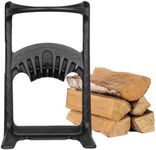
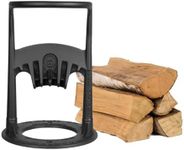
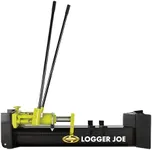
Choosing the right kindling log splitter can make your wood splitting tasks much easier and more efficient. When selecting a log splitter, it's important to consider several key specifications to ensure you get a model that fits your needs. Understanding these specifications will help you make an informed decision and find a splitter that works best for your specific requirements.Power SourceThe power source of a log splitter determines how it operates. There are three main types: manual, electric, and gas-powered. Manual splitters require physical effort and are suitable for small tasks or occasional use. Electric splitters are quieter, require less maintenance, and are ideal for residential use with access to electricity. Gas-powered splitters are more powerful and suitable for heavy-duty tasks or remote locations without electricity. Choose based on the frequency of use and the size of logs you need to split.
TonnageTonnage refers to the splitting force of the log splitter, measured in tons. This spec is crucial because it determines the size and hardness of the logs the splitter can handle. Light-duty splitters (up to 7 tons) are suitable for small, softwood logs. Medium-duty splitters (7-20 tons) can handle larger, hardwood logs. Heavy-duty splitters (20+ tons) are designed for very large or tough logs. Consider the type of wood and the diameter of the logs you will be splitting to choose the appropriate tonnage.
Cycle TimeCycle time is the duration it takes for the splitter to complete a full split and return to its starting position. This spec is important for efficiency, especially if you have a lot of wood to split. Faster cycle times (10-15 seconds) are ideal for high-volume splitting, while slower cycle times (15-30 seconds) may be sufficient for occasional use. Think about how much wood you need to split and how quickly you want to get the job done to determine the right cycle time for you.
Log CapacityLog capacity refers to the maximum length and diameter of logs that the splitter can handle. This is important to ensure that the splitter can accommodate the size of the logs you plan to split. Smaller splitters may handle logs up to 20 inches in length and 10 inches in diameter, while larger splitters can handle logs over 25 inches in length and 15 inches in diameter. Measure the logs you typically work with and choose a splitter that can handle those dimensions.
PortabilityPortability is a key factor if you need to move the log splitter around your property or transport it to different locations. Some splitters come with wheels and handles for easy maneuverability, while others are stationary. Lightweight, compact models are easier to move but may have lower power. Heavier, more powerful models may be more challenging to transport. Consider how often you need to move the splitter and choose a model that offers the right balance of power and portability for your needs.
Safety FeaturesSafety features are crucial to prevent accidents and injuries while using the log splitter. Look for features such as two-handed operation, which requires both hands to be engaged to operate the splitter, reducing the risk of accidental activation. Other safety features may include automatic ram return, safety guards, and emergency stop buttons. Prioritize models with robust safety features to ensure safe operation, especially if you are new to using log splitters or will be working alone.