Buying Guide for the Best Fujitsu Scanner For Macs
Choosing the right scanner for your Mac involves understanding your specific needs and the key features that will best serve those needs. Whether you're scanning documents for work, photos for personal use, or a mix of both, knowing what to look for in a scanner can help you make an informed decision. Here are some important specifications to consider when selecting a Fujitsu scanner for your Mac.CompatibilityCompatibility refers to whether the scanner can work seamlessly with your Mac. This is crucial because not all scanners are designed to be compatible with macOS. Look for scanners that explicitly state they support macOS. This ensures you won't face any issues with drivers or software integration. If you use specific software on your Mac, check if the scanner supports it.
ResolutionResolution is measured in dots per inch (DPI) and determines the quality of the scanned image. Higher DPI means better image quality. For general document scanning, 300-600 DPI is usually sufficient. If you need to scan photos or detailed images, look for scanners with higher DPI, such as 1200 DPI or more. Choose a resolution based on the type of scanning you will be doing most often.
Scanning SpeedScanning speed is measured in pages per minute (PPM) and indicates how quickly the scanner can process documents. If you need to scan large volumes of documents regularly, a higher PPM will save you time. For occasional scanning, speed may be less critical. Consider your typical scanning workload to determine the appropriate speed for your needs.
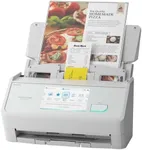
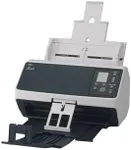
ADF (Automatic Document Feeder)An Automatic Document Feeder allows you to load multiple pages into the scanner at once, which is ideal for batch scanning. This feature is important if you frequently scan multi-page documents. ADF capacity varies, with some feeders holding 20 pages and others up to 50 or more. Choose a scanner with an ADF that matches your typical document size and volume.
Duplex ScanningDuplex scanning means the scanner can scan both sides of a page simultaneously. This is a valuable feature if you often scan double-sided documents, as it saves time and ensures both sides are captured accurately. If you mostly scan single-sided documents, this feature may be less important. Consider how often you need to scan double-sided documents to decide if duplex scanning is necessary.
ConnectivityConnectivity options include USB, Wi-Fi, and Bluetooth. USB is the most common and reliable connection method, but Wi-Fi and Bluetooth offer wireless convenience. If you prefer a clutter-free workspace or need to share the scanner among multiple devices, wireless connectivity is beneficial. Choose a scanner with connectivity options that fit your setup and usage preferences.
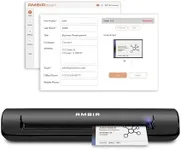
SoftwareThe software that comes with the scanner can greatly affect your scanning experience. Look for scanners that offer robust software with features like OCR (Optical Character Recognition), which converts scanned documents into editable text. Ensure the software is compatible with macOS and meets your needs for document management, editing, and sharing. Good software can enhance the functionality and ease of use of your scanner.
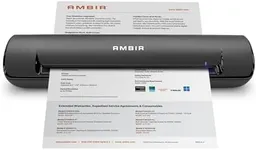
Size and PortabilityThe physical size and portability of the scanner are important if you have limited desk space or need to move the scanner frequently. Compact scanners are ideal for small workspaces or for users who need to scan on the go. Larger scanners may offer more features but require more space. Consider your workspace and how often you need to transport the scanner to choose the right size.