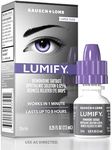
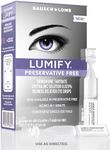
Buying Guide for the Best Eye Whitening Drops
Choosing the right eye-whitening drops can make a significant difference in your eye health and comfort. Eye-whitening drops are designed to reduce redness and make your eyes appear brighter and more vibrant. However, it's important to select a product that suits your specific needs and conditions. Here are some key specifications to consider when choosing eye-whitening drops, along with explanations to help you make an informed decision.Active IngredientsActive ingredients in eye-whitening drops are the components that help reduce redness and whiten the eyes. Common active ingredients include tetrahydrozoline, naphazoline, and brimonidine. These ingredients work by constricting the blood vessels in the eyes, reducing redness. It's important to choose a product with an active ingredient that you are not allergic to and that effectively addresses your symptoms. If you have sensitive eyes, you may want to opt for a product with milder active ingredients.
Duration of EffectThe duration of effect refers to how long the eye-whitening drops will keep your eyes looking white and free from redness. Some drops provide relief for a few hours, while others can last up to 12 hours. If you need long-lasting relief, look for drops with a longer duration of effect. However, for occasional use, shorter-duration drops may be sufficient. Consider your daily routine and how often you need to use the drops to determine the best option for you.
Preservative-Free OptionsPreservative-free eye-whitening drops are formulated without preservatives, which can be irritating to some users, especially those with sensitive eyes or who use drops frequently. Preservatives are added to many eye drops to prevent bacterial growth, but they can cause discomfort or allergic reactions in some people. If you have sensitive eyes or plan to use the drops multiple times a day, preservative-free options may be a better choice to avoid irritation.
Moisturizing PropertiesSome eye-whitening drops also contain moisturizing agents to help soothe and hydrate dry eyes. If you suffer from dry eyes in addition to redness, look for drops that offer both whitening and moisturizing benefits. Ingredients like glycerin or hyaluronic acid can provide added moisture and comfort. This dual benefit can be particularly useful if you spend a lot of time in dry environments or in front of screens.
Contact Lens CompatibilityIf you wear contact lenses, it's crucial to choose eye-whitening drops that are compatible with your lenses. Some drops can be used while wearing contacts, while others require you to remove your lenses before application. Always check the product label to ensure it is safe for use with your type of contact lenses. This will help prevent any potential damage to your lenses and ensure your eyes remain comfortable.
Frequency of UseThe recommended frequency of use for eye-whitening drops can vary. Some drops are designed for occasional use, while others can be used multiple times a day. Overuse of certain eye-whitening drops can lead to rebound redness, where the redness returns worse than before. It's important to follow the instructions on the product label and consult with an eye care professional if you need to use the drops frequently. This will help you avoid potential side effects and ensure the drops are safe for regular use.