Buying Guide for the Best Cream For Bruises
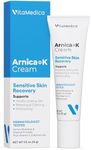
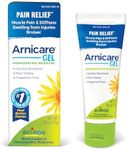
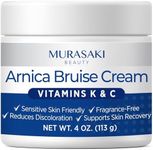
When choosing a cream for bruises, it's important to consider several factors to ensure you select the best product for your needs. Bruises can be painful and unsightly, so finding an effective cream can help speed up the healing process and reduce discomfort. Here are some key specifications to look for when selecting a bruise cream, along with explanations to help you make an informed decision.Active IngredientsActive ingredients are the components in the cream that provide therapeutic effects. Common active ingredients in bruise creams include arnica, vitamin K, and heparin. Arnica is a natural herb known for its anti-inflammatory properties, which can help reduce swelling and pain. Vitamin K helps with blood clotting and can speed up the healing of bruises. Heparin is an anticoagulant that can prevent blood clots and improve blood flow to the affected area. When choosing a cream, consider which active ingredient aligns with your needs. For example, if you prefer natural remedies, a cream with arnica might be best. If you need something to help with blood clotting, look for a cream with vitamin K.
FormulationThe formulation of a bruise cream refers to its consistency and how it feels on the skin. Creams can come in various forms, such as gels, ointments, or lotions. Gels are usually lightweight and absorb quickly, making them ideal for people who prefer a non-greasy feel. Ointments are thicker and provide a protective barrier, which can be beneficial for more severe bruises. Lotions are somewhere in between, offering a balance of moisture and absorption. Choose a formulation based on your personal preference and the severity of your bruise. For everyday use, a gel or lotion might be more convenient, while an ointment could be better for more intense treatment.
Absorption RateThe absorption rate of a bruise cream indicates how quickly the product is absorbed into the skin. A faster absorption rate means the cream will start working more quickly, which can be important if you need immediate relief. However, some creams with slower absorption rates may provide longer-lasting effects. If you need quick relief, look for a cream that advertises fast absorption. If you prefer a product that continues to work over a longer period, a slower-absorbing cream might be more suitable.
ScentThe scent of a bruise cream can be an important factor, especially if you are sensitive to smells or plan to use the cream frequently. Some creams have a strong medicinal odor, while others are fragrance-free or have a mild, pleasant scent. If you are sensitive to strong smells, opt for a fragrance-free or lightly scented cream. If you don't mind a medicinal scent and prioritize effectiveness, the smell might be less of a concern.
Skin SensitivitySkin sensitivity refers to how your skin reacts to different products. If you have sensitive skin, it's important to choose a bruise cream that is hypoallergenic and free from harsh chemicals or irritants. Look for creams labeled as suitable for sensitive skin or those that contain soothing ingredients like aloe vera or chamomile. If you have a history of allergic reactions or skin irritation, always perform a patch test before using a new product extensively.
Application FrequencyApplication frequency refers to how often you need to apply the cream to achieve the desired results. Some creams require application multiple times a day, while others may only need to be applied once or twice. Consider your daily routine and how often you can realistically apply the cream. If you have a busy schedule, a cream that requires less frequent application might be more convenient. On the other hand, if you are able to apply the cream regularly, a product that requires more frequent use might provide faster results.