Buying Guide for the Best Compact Printers
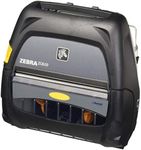
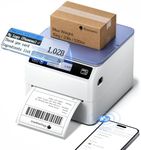
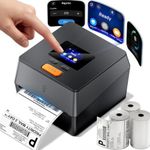
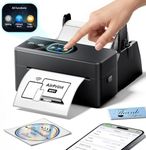
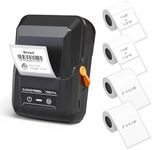
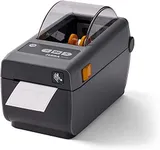
Compact printers are designed for people who need to print documents or photos in small spaces, such as apartments, home offices, or on the go. When choosing a compact printer, it’s important to think about what you’ll be printing, how often you’ll use it, and where you’ll keep it. The right choice will depend on your printing needs, available space, and how much convenience you want.Size and PortabilitySize refers to how big or small the printer is physically. For compact printers, this is crucial because you may need to fit the device into tight spaces or carry it with you. Generally, sizes range from ultra-portable (like pocket-sized printers) to more substantial compact models that sit comfortably on a desk. If you want something for travel or easy movement, look for the smallest and lightest options. If it will live on a desk, you can be flexible with size as long as it doesn't overwhelm your workspace.
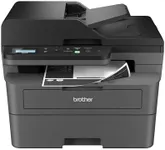
Print TechnologyPrint technology usually means inkjet or laser for compact printers. Inkjet printers are common and can handle both documents and photos, often packing color capabilities. Laser printers are more likely to be black and white and are faster and better for lots of text. If you mostly print photos or want color options, inkjet is ideal. If you print lots of documents and speed or crisp text is a priority, look for compact laser options.
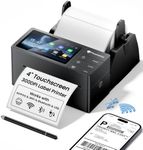
Connectivity OptionsConnectivity is how you send files to the printer. Common options include USB, Wi-Fi, Bluetooth, and sometimes even mobile app support. USB is straightforward for single-computer use, while Wi-Fi and Bluetooth allow wireless printing and multiple devices to connect. If you want flexibility or print from phones/tablets, wireless options are essential. For basic home setups, USB can be enough.
Print SpeedPrint speed is how many pages the printer can produce in a minute. Compact models vary from slow (under 5 pages per minute) to moderate (up to 15+ pages per minute). If you just print occasionally, slower speeds aren’t a big deal. If you need to print in batches or want things quickly, look for faster models.
Print QualityPrint quality measures how sharp and vibrant your prints are, often seen in specs like dpi (dots per inch). Compact printers can range from basic (fine for casual documents) to high quality (great for photos and sharp text). Think about whether crisp presentation or photo prints matter for you, and choose based on that need.
Paper HandlingPaper handling refers to what types and sizes of paper the printer can use and how many sheets it can hold. Compact printers often have limited capacity and may support only standard or small paper sizes. If you mainly print standard documents, simple paper handling works; if you need envelopes, labels, or photos, check if the printer supports those formats. Also, larger paper trays mean less frequent refilling.
Maintenance and Cartridge TypeMaintenance means how easy it is to keep the printer running, including changing ink or toner. Some printers have separate color cartridges, while others use all-in-one units. If you print in color a lot, separate cartridges can be more efficient. If you want hassle-free operation, all-in-one options are simpler. Also look for models with easy access to cartridges and low maintenance warning systems.