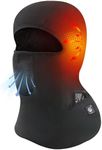
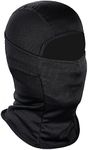
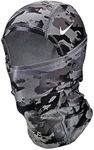
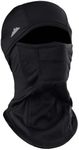
Buying Guide for the Best Balaclava Ski Masks
Choosing the right balaclava or ski mask is essential for ensuring comfort, warmth, and protection while engaging in winter sports or activities. The right product will keep you warm, protect your face from harsh weather conditions, and allow you to perform at your best. Here are some key specifications to consider when selecting a balaclava or ski mask.MaterialThe material of a balaclava or ski mask is crucial as it determines the warmth, breathability, and comfort. Common materials include fleece, wool, synthetic blends, and merino wool. Fleece is warm and soft, making it ideal for very cold conditions. Wool, especially merino wool, is excellent for warmth and moisture-wicking, keeping you dry and comfortable. Synthetic blends often offer a good balance of warmth, breathability, and moisture management. Choose a material based on the weather conditions you'll be facing and your personal comfort preferences.
BreathabilityBreathability refers to how well the fabric allows moisture and sweat to escape. This is important to prevent overheating and to keep your face dry. High breathability is essential for intense activities like skiing or snowboarding. Look for balaclavas with mesh panels or moisture-wicking fabrics if you plan to engage in high-intensity activities. For less strenuous activities, moderate breathability may suffice.
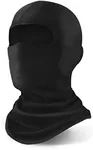
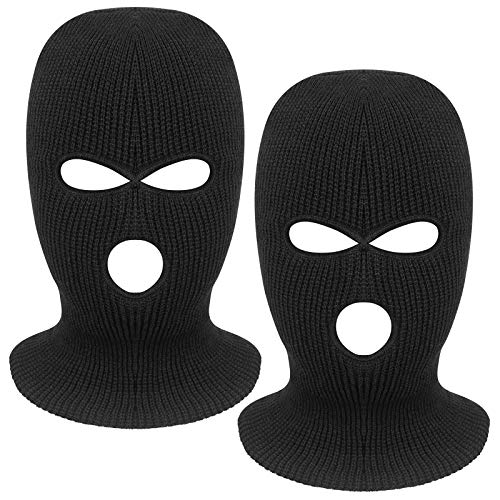
Fit and CoverageThe fit and coverage of a balaclava or ski mask determine how well it protects your face, neck, and head. A snug fit ensures that the mask stays in place and provides maximum protection against the cold and wind. Some balaclavas offer full-face coverage, while others may have openings for the eyes, nose, and mouth. Consider the level of coverage you need based on the weather conditions and your comfort. Full coverage is ideal for extremely cold and windy conditions, while partial coverage may be more comfortable for milder weather.
Wind and Water ResistanceWind and water resistance are important for protecting your face from harsh weather conditions. Wind-resistant materials help block cold winds, while water-resistant fabrics prevent moisture from penetrating the mask. If you plan to be in wet or windy conditions, look for balaclavas with these features. For dry and calm conditions, these features may be less critical.
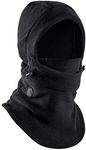
VersatilityVersatility refers to the ability of the balaclava or ski mask to be worn in different ways or for various activities. Some balaclavas can be converted into neck gaiters, hats, or face masks, providing multiple uses in one product. This can be particularly useful if you engage in a variety of winter activities. Consider how you plan to use the balaclava and whether a versatile design would be beneficial for you.
Seam ConstructionSeam construction affects the comfort and durability of the balaclava. Flatlock seams are designed to lie flat against the skin, reducing irritation and chafing. This is especially important if you plan to wear the balaclava for extended periods. Look for balaclavas with flatlock seams or seamless designs for maximum comfort.