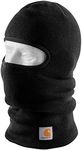
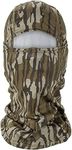
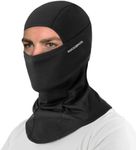
Buying Guide for the Best Balaclava Face Mask
Choosing the right balaclava face mask can make a significant difference in your comfort and protection during various activities such as skiing, snowboarding, motorcycling, or even just braving the cold weather. The key is to understand the different specifications and how they align with your specific needs. Here are some important factors to consider when selecting a balaclava face mask.MaterialThe material of a balaclava face mask is crucial as it determines the level of warmth, breathability, and comfort. Common materials include fleece, wool, polyester, and spandex. Fleece and wool are excellent for warmth and are ideal for extremely cold conditions. Polyester and spandex blends are often used for their moisture-wicking properties and flexibility, making them suitable for high-intensity activities. Choose a material based on the climate and the type of activity you will be engaging in.
BreathabilityBreathability refers to how well the fabric allows air to pass through, which is important to prevent overheating and moisture buildup. High breathability is essential for activities like skiing or running, where you generate a lot of body heat. Look for masks with mesh panels or moisture-wicking fabrics if you need good ventilation. For less intense activities or extremely cold weather, breathability might be less of a priority.
Fit and ComfortA well-fitting balaclava ensures that it stays in place and provides maximum protection. It should be snug but not too tight, allowing for comfortable movement and wear under helmets or hats. Some balaclavas come in one-size-fits-all, while others offer different sizes. Consider trying on different sizes or looking for adjustable options to find the best fit for your head shape and size.
Thermal InsulationThermal insulation is the balaclava's ability to retain heat and keep you warm. This is particularly important in extremely cold environments. Balaclavas with thicker materials or additional layers provide better insulation. If you are planning to use the balaclava in milder conditions, a lighter, single-layer mask might be sufficient. Assess the typical weather conditions you will face to determine the right level of insulation.
VersatilitySome balaclavas are designed to be versatile and can be worn in multiple ways, such as a full face mask, neck gaiter, or beanie. This versatility can be beneficial if you need a mask that can adapt to different conditions or activities. Consider how you plan to use the balaclava and whether a multi-functional design would be advantageous for you.
Wind and Water ResistanceWind and water resistance are important features if you will be exposed to harsh weather conditions. Wind-resistant balaclavas help to block cold winds, while water-resistant ones can keep you dry in wet conditions. Look for masks with these properties if you expect to face windy or rainy weather. For indoor use or mild conditions, these features might not be necessary.
Ease of MaintenanceConsider how easy it is to clean and maintain the balaclava. Some materials are machine washable, while others may require hand washing. Easy maintenance is important for regular use, especially if you engage in activities that cause the mask to get dirty or sweaty. Check the care instructions and choose a mask that fits your lifestyle and maintenance preferences.