We Use CookiesWe use cookies to enhance the security, performance, functionality and for analytical and promotional activities. By continuing to browse this site you are agreeing to our privacy policy

Best Apple Homekit Devices

From leading brands and best sellers available on the web.
#1

Winner

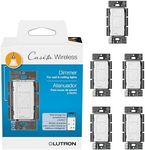
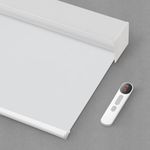
Lutron Caseta Original Smart Dimmer

Lutron

Lutron Caseta Original Smart Dimmer Switch (Lutron Smart Hub Required), for LED Lights, 150 Watt, Single-Pole/3-Way, No Neutral Required, PD-6WCL-WH, White, 5 Pack
View on Amazon
#2
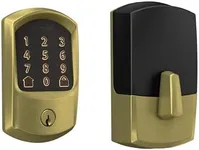
Schlage Encode Smart WiFi Deadbolt

SCHLAGE

11%OFF

Schlage Encode Smart WiFi Deadbolt Lock for Front Door - Keyless Entry with App or Touchscreen - Works with Alexa, Hey Google, & Airbnb - Create Codes for Guests - Satin Brass

View on Amazon
#3
Philips Hue A19 LED Smart Light Bul

Philips Hue

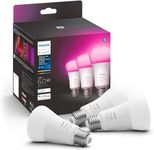
Philips Hue A19 LED Smart Light Bulb - White and Color Ambiance - 60W Indoor Light Bulb - Control with Hue App - Works with Alexa, Google Assistant and Apple Homekit - 3 Pack
View on Amazon
#4
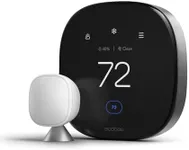
ecobee Smart Thermostat Premium wit

ecobee

6%OFF

ecobee Smart Thermostat Premium with Smart Sensor and Air Quality Monitor - Programmable Wifi Thermostat - Works with Siri, Alexa, Google Assistant
View on Amazon
#5
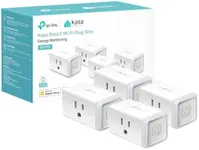
Kasa Smart Plug Mini 15A, Apple Hom

Kasa Smart

Kasa Smart Plug Mini 15A, Apple HomeKit Supported, Smart Outlet Works with Siri, Alexa & Google Home, UL Certified, App Control, Scheduling, Timer, 2.4G WiFi Only, 4 Count (Pack of 1) (EP25P4), White
View on Amazon
#6
Aqara Smart Doorbell Camera G410 wi

Aqara

editor-choice-ribbon

Aqara Smart Doorbell Camera G410 with Chime, 2K, HomeKit Secure Video, 2-Way Audio, Built-in Matter Hub, Wireless/Wired, Supports Apple Home, Alexa, Google, Home Assistant, 2.4G/5GHz Wi-Fi, Gray

View on Amazon
#7
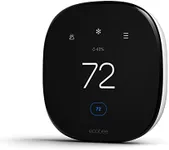
ecobee Smart Thermostat Enhanced -

ecobee

ecobee Smart Thermostat Enhanced - Programmable Wifi Thermostat - Works with Siri, Alexa, Google Assistant - Energy Star Certified - Smart Home

View on Amazon
#8
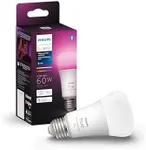
Philips Hue Smart 60W A19 LED Bulb

Philips Hue

9%OFF

Philips Hue Smart 60W A19 LED Bulb - White and Color Ambiance Color-Changing Light - 1 Pack - 800LM - E26 - Indoor - Control with Hue App - Works with Alexa, Google Assistant and Apple Homekit

View on Amazon
#9
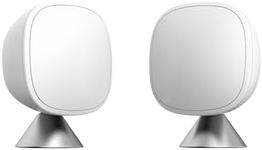
ecobee Smart Sensor 2 Pack - Comfor

ecobee

ecobee Smart Sensor 2 Pack - Comfort, Security, Energy Savings - Smart Home - Compatible with ecobee Smart Thermostats for Home
View on Amazon
#10
Lutron Caseta Smart Start Kit for L

Lutron

Lutron Caseta Smart Start Kit for Lamps, Plug-in Lamp Dimmer with Smart Bridge and Pico Remote, Compatible with Alexa, Apple HomeKit, and The Google Assistant | P-BDG-PKG1P | White

View on Amazon
How do we rank products for you?

Our technology thoroughly searches through the online shopping world, reviewing hundreds of sites. We then process and analyze this information, updating in real-time to bring you the latest top-rated products. This way, you always get the best and most current options available.

headphones-stars

Most Popular Categories Right Now

Buying Guide for the Best Apple Homekit Devices

When choosing Apple HomeKit devices, it's important to consider how they will integrate into your existing smart home ecosystem. HomeKit devices are designed to work seamlessly with Apple's Home app and Siri, providing a unified and secure way to control your smart home. To ensure you pick the right devices, you should focus on key specifications that will affect their performance, compatibility, and usability in your home environment.
CompatibilityCompatibility refers to whether the device can work with Apple HomeKit and other smart home systems you may have. This is crucial because it ensures that all your devices can be controlled from a single app and work together smoothly. To navigate this, check if the device explicitly states HomeKit compatibility. If you have other smart home systems like Google Home or Amazon Alexa, look for devices that support multiple platforms. Choose devices that are compatible with your current and future smart home setup to avoid any integration issues.
ConnectivityConnectivity refers to how the device connects to your home network and other devices. This is important because it affects the reliability and speed of communication between your devices. HomeKit devices typically use Wi-Fi, Bluetooth, or a dedicated hub. Wi-Fi offers a strong and stable connection but can be more power-hungry. Bluetooth is energy-efficient but has a shorter range. Hubs can centralize control and improve connectivity for multiple devices. Choose the connectivity option that best fits your home's layout and the number of devices you plan to use.
Ease of InstallationEase of installation refers to how simple it is to set up the device in your home. This is important because a complicated setup can be frustrating and time-consuming. Some devices are plug-and-play, while others may require professional installation or additional tools. Look for devices with clear instructions and user-friendly setup processes. If you're not comfortable with DIY installations, consider devices that offer professional installation services. Choose a device that matches your technical skill level and the complexity you're willing to handle.
FunctionalityFunctionality refers to the features and capabilities of the device. This is important because it determines what the device can do and how it can enhance your smart home experience. For example, smart lights may offer dimming, color changes, and scheduling, while smart locks may provide remote access and activity logs. Identify the key functions you need and look for devices that offer those features. Choose devices that align with your specific needs and how you plan to use them in your daily life.
SecuritySecurity refers to the measures in place to protect your data and privacy. This is crucial because smart home devices can be vulnerable to hacking and unauthorized access. HomeKit devices are known for their strong security features, including end-to-end encryption and secure pairing. Check for security certifications and features like two-factor authentication. Choose devices that prioritize security to ensure your smart home remains safe and your personal information is protected.
Energy EfficiencyEnergy efficiency refers to how much power the device consumes during operation. This is important because energy-efficient devices can save you money on your electricity bills and reduce your environmental footprint. Look for devices with energy-saving features like low-power modes or automatic shutoff. Energy Star ratings can also be a good indicator of efficiency. Choose devices that offer the best balance between performance and energy consumption to optimize your smart home’s efficiency.