Buying Guide for the Best Apple Homekit Security System
Choosing the right Apple HomeKit security system can be a bit overwhelming, but with the right approach, you can find the perfect fit for your needs. HomeKit security systems are designed to integrate seamlessly with your Apple devices, providing you with a secure and convenient way to monitor and protect your home. To make an informed decision, it's important to understand the key specifications and features that these systems offer. By considering your specific needs and preferences, you can select a system that will keep your home safe and give you peace of mind.CompatibilityCompatibility refers to how well the security system works with other devices and platforms, particularly within the Apple ecosystem. This is important because a system that is fully compatible with HomeKit will allow you to control it using the Home app on your iPhone, iPad, or Mac, and even with Siri voice commands. When evaluating compatibility, ensure that the system supports HomeKit and check if it integrates with other smart home devices you may already own. If you have a variety of Apple devices, a system with high compatibility will provide a seamless and user-friendly experience.
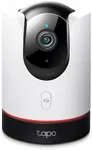
Camera QualityCamera quality is crucial for capturing clear and detailed footage of your home. This includes the resolution, field of view, and night vision capabilities. Higher resolution cameras (1080p or 4K) provide sharper images, which can be important for identifying faces or details in the event of an incident. A wide field of view allows the camera to cover more area, reducing the number of cameras needed. Night vision is essential for monitoring your home in low light conditions. Consider your specific needs, such as the size of the area you want to monitor and the lighting conditions, to determine the right camera quality for you.
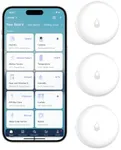
SensorsSensors are devices that detect changes in the environment, such as motion, door/window openings, or glass breakage. These are important for triggering alerts and automating responses to potential security threats. Different systems offer various types of sensors, so consider what areas of your home you want to monitor and what types of threats you are most concerned about. For example, if you want to know when someone enters a room, motion sensors are ideal. If you are worried about break-ins, door/window sensors and glass break sensors are essential. Choose a system with the right combination of sensors to meet your security needs.
Storage OptionsStorage options refer to how the security system saves and manages video footage. This can include local storage (such as an SD card), cloud storage, or a combination of both. Local storage is often more secure and doesn't require a subscription, but it can be limited in capacity. Cloud storage offers more space and the ability to access footage from anywhere, but it usually comes with a monthly fee. Consider how much footage you need to store, how long you want to keep it, and whether you prefer the convenience of cloud access or the security of local storage. Choose a system that offers the storage solution that best fits your needs.
Notifications and AlertsNotifications and alerts are how the security system communicates with you about potential security events. This is important for staying informed and taking action quickly if needed. Systems can send notifications via push alerts, emails, or even phone calls. Some systems offer customizable alerts, allowing you to set specific triggers and notification preferences. Consider how you want to be notified and how quickly you need to respond to alerts. If you are often away from home, real-time push notifications to your smartphone may be essential. Choose a system that offers the notification options that best suit your lifestyle and security needs.
Ease of Installation and UseEase of installation and use refers to how simple it is to set up and operate the security system. This is important because a system that is difficult to install or use can be frustrating and may not provide the level of security you need. Look for systems that offer straightforward installation processes, such as plug-and-play devices or those with clear instructions and support. Additionally, consider the user interface and how easy it is to navigate the app or control the system. If you are not tech-savvy, a system with a user-friendly design and good customer support will be beneficial. Choose a system that you feel comfortable installing and using on a daily basis.