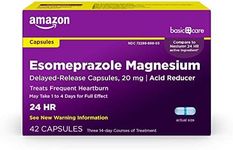
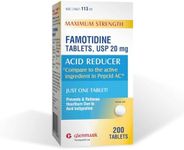
Buying Guide for the Best Acid Reflux Medications
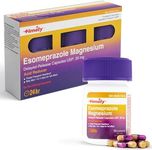
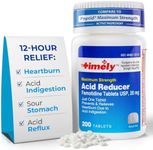
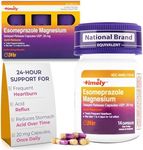
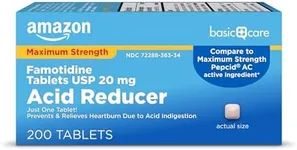
Choosing the right acid reflux medication can significantly improve your quality of life by reducing symptoms and preventing complications. Acid reflux, also known as gastroesophageal reflux disease (GERD), occurs when stomach acid flows back into the esophagus, causing discomfort and potential damage. When selecting a medication, it's important to consider various factors such as the severity of your symptoms, how often they occur, and any underlying health conditions you may have. Consulting with a healthcare professional is always recommended to ensure you choose the most appropriate treatment for your specific needs.Type of MedicationThere are several types of acid reflux medications, including antacids, H2 blockers, and proton pump inhibitors (PPIs). Antacids provide quick relief by neutralizing stomach acid and are suitable for occasional, mild symptoms. H2 blockers reduce acid production and are effective for moderate symptoms, offering longer relief than antacids. PPIs are the most potent and are used for severe or chronic symptoms, as they significantly reduce acid production. Your choice should depend on the frequency and severity of your symptoms. For occasional discomfort, antacids may suffice, while persistent or severe symptoms may require H2 blockers or PPIs.
Onset of ActionThe onset of action refers to how quickly a medication begins to work. Antacids typically provide relief within minutes, making them ideal for immediate symptom relief. H2 blockers usually take about 30 minutes to an hour to start working, while PPIs may take a few days to reach their full effect. If you need rapid relief, antacids are the best choice. For ongoing management of symptoms, H2 blockers or PPIs may be more appropriate, even though they take longer to start working.
Duration of EffectThe duration of effect indicates how long the medication will provide relief. Antacids generally offer relief for a few hours, which is suitable for occasional symptoms. H2 blockers can provide relief for up to 12 hours, making them a good option for moderate, more frequent symptoms. PPIs can offer relief for up to 24 hours or more, making them ideal for chronic or severe symptoms. Consider how long you need relief when choosing a medication. For short-term relief, antacids are sufficient, but for longer-lasting control, H2 blockers or PPIs are better options.
Side EffectsAll medications can have side effects, and it's important to be aware of them when choosing an acid reflux treatment. Antacids can cause constipation or diarrhea, depending on the ingredients. H2 blockers may cause headaches, dizziness, or gastrointestinal issues. PPIs can have more serious side effects with long-term use, such as an increased risk of fractures, kidney disease, and vitamin deficiencies. Consider your tolerance for potential side effects and discuss any concerns with your healthcare provider to find the safest option for you.
Frequency of UseThe frequency of use refers to how often you need to take the medication. Antacids can be taken as needed, which is convenient for occasional symptoms. H2 blockers are typically taken once or twice a day, while PPIs are usually taken once daily. If you prefer a medication that you can take only when symptoms arise, antacids are a good choice. For more consistent symptom control, H2 blockers or PPIs may be more suitable, even though they require regular dosing.
Underlying Health ConditionsCertain health conditions can influence which acid reflux medication is best for you. For example, if you have kidney disease, some antacids may not be suitable. If you have osteoporosis, long-term use of PPIs may not be recommended due to the risk of fractures. Always discuss your full medical history with your healthcare provider to ensure the chosen medication does not exacerbate any existing conditions and is safe for your overall health.