Buying Guide for the Best Youth Infield Baseball Glove
Choosing the right youth infield baseball glove is crucial for young players to perform their best on the field. The right glove can enhance their catching, fielding, and overall confidence. When selecting a glove, it's important to consider several key specifications that will ensure the glove fits well, is comfortable, and suits the player's position and skill level. Here are the key specs to look at and how to choose the best one for your needs.SizeThe size of the glove is measured in inches and refers to the length from the tip of the index finger to the heel of the glove. This spec is important because a glove that is too large or too small can hinder a player's performance. For youth infielders, gloves typically range from 9 to 11.5 inches. Younger or smaller players should opt for gloves on the smaller end of the spectrum (9-10 inches), while older or larger youth players might need a glove closer to 11-11.5 inches. The right size ensures the player can comfortably open and close the glove and have better control over catching and fielding.
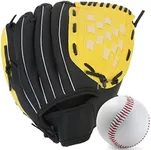
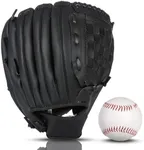
MaterialBaseball gloves are commonly made from leather or synthetic materials. Leather gloves are more durable and provide a better feel, but they require a break-in period. Synthetic gloves are lighter, more affordable, and easier to break in, making them a good choice for younger players who are still growing. If the player is serious about the sport and plays frequently, a leather glove might be worth the investment. For beginners or those who play casually, a synthetic glove can be a practical choice.
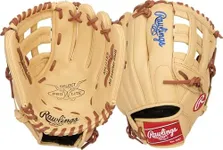
WebbingThe webbing is the part of the glove between the thumb and fingers. There are different types of webbing, such as closed and open webs. Infielders typically prefer open webbing because it allows for quicker ball transfer and better visibility when catching fly balls. Closed webbing provides more support and is better for catching fast-moving balls. For youth infielders, an open web design is generally recommended as it helps them develop their skills in catching and transferring the ball quickly.
Fit and ComfortA glove should fit snugly but comfortably on the player's hand. Adjustable wrist straps can help achieve a better fit. Comfort is crucial because an uncomfortable glove can distract the player and affect their performance. When trying on gloves, the player should ensure that the glove feels secure and allows for natural hand movement. A well-fitted glove will help the player feel more confident and focused during the game.
Break-In TimeBreak-in time refers to the period it takes for a new glove to become flexible and comfortable to use. Leather gloves typically require a longer break-in period, while synthetic gloves are usually game-ready right out of the box. If the player needs the glove for immediate use, a synthetic glove might be the better option. However, if there is time to break in the glove, a leather glove can provide a better long-term fit and feel. Consider how soon the glove will be needed for play when making your choice.