Buying Guide for the Best Yeast For Baking Bread
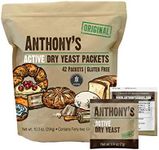
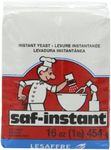
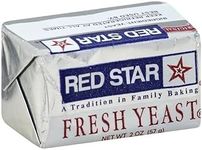
Choosing the right yeast for baking bread is crucial for achieving the desired texture, flavor, and rise in your bread. Yeast is a living organism that ferments the dough, producing carbon dioxide which makes the bread rise. There are different types of yeast available, and each has its own characteristics and uses. Understanding these differences will help you select the best yeast for your baking needs.Type of YeastThere are several types of yeast commonly used in baking: active dry yeast, instant yeast, and fresh yeast. Active dry yeast needs to be dissolved in water before use, while instant yeast can be mixed directly with dry ingredients. Fresh yeast, also known as cake yeast, is moist and perishable, requiring refrigeration. The type of yeast you choose can affect the convenience and timing of your baking process. If you prefer a quicker rise and easier handling, instant yeast might be the best choice. For traditional recipes and a more hands-on approach, active dry yeast or fresh yeast could be more suitable.
Fermentation TimeFermentation time refers to how long the yeast takes to make the dough rise. Instant yeast typically has a shorter fermentation time compared to active dry yeast and fresh yeast. If you are looking for a quicker baking process, instant yeast is ideal. However, longer fermentation times, as seen with active dry and fresh yeast, can develop more complex flavors in the bread. Consider your schedule and flavor preferences when choosing the yeast.
Flavor ProfileDifferent yeasts can impart different flavors to your bread. Fresh yeast is often praised for its ability to produce a rich, traditional bread flavor. Active dry yeast and instant yeast can also produce delicious bread, but the flavor might be slightly different. If you are aiming for a specific taste, experimenting with different types of yeast can help you find the perfect match for your recipe.
Shelf Life and StorageYeast's shelf life and storage requirements vary by type. Instant and active dry yeast have a longer shelf life and can be stored at room temperature until opened, after which they should be refrigerated. Fresh yeast has a much shorter shelf life and must be kept refrigerated at all times. If you bake infrequently, you might prefer the longer-lasting instant or active dry yeast. For frequent bakers, fresh yeast can be a great option if you can use it before it expires.
Recipe RequirementsSome bread recipes specify a particular type of yeast. It's important to follow these recommendations to achieve the best results. If a recipe calls for active dry yeast, using instant yeast might require adjustments in the amount used or the fermentation time. Always check your recipe and understand how the type of yeast will affect the baking process and final product.
![One in a Mill Instant Dry Yeast | 1.1 LB (Pack Of 1) [IMPROVED] Fast Acting Self Rising Yeast for Baking Bread, Cake, Pizza Dough Crust | Kosher | Quick Rapid Rise Leavening Agent for Pastries](https://images-proxy.bestreviews.guide/iSzM9ifWVvVtL50zTrginriyqnI=/0x150/https://m.media-amazon.com/images/I/41-+LlCSZBL._AC_CX679_.jpg)