Buying Guide for the Best Yamaha Sound Bars
When choosing a Yamaha sound bar, it's important to consider several key specifications to ensure you get the best fit for your audio needs. Sound bars are designed to enhance your TV's audio quality, providing a more immersive experience. By understanding the key specs, you can make an informed decision that matches your preferences and requirements.Audio ChannelsAudio channels refer to the number of separate audio tracks that a sound bar can play. This is important because more channels can provide a more immersive and surround sound experience. Common configurations include 2.0 (stereo), 2.1 (stereo with a subwoofer), 3.1 (three front channels with a subwoofer), and 5.1 (five channels with a subwoofer). If you want a basic upgrade from your TV speakers, a 2.0 or 2.1 system might suffice. For a more cinematic experience, consider a 3.1 or 5.1 system.
Power OutputPower output, measured in watts, indicates the sound bar's ability to produce loud and clear audio. Higher wattage generally means more powerful sound. For small to medium-sized rooms, a sound bar with 100-200 watts should be adequate. For larger rooms or if you prefer louder volumes, look for sound bars with 300 watts or more. Consider your room size and how loud you like your audio when choosing the power output.
Connectivity OptionsConnectivity options determine how you can connect the sound bar to your TV and other devices. Common options include HDMI ARC, optical, Bluetooth, and Wi-Fi. HDMI ARC provides the best audio quality and allows for easy control with your TV remote. Optical connections are also good for high-quality audio. Bluetooth and Wi-Fi enable wireless streaming from your devices. Choose a sound bar with the connectivity options that match your devices and how you plan to use it.
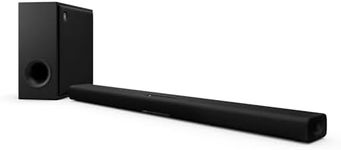
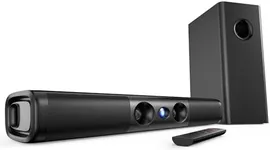
SubwooferA subwoofer is a speaker designed to reproduce low-frequency sounds, adding depth and richness to your audio. Some sound bars come with a built-in subwoofer, while others include a separate wireless subwoofer. If you enjoy bass-heavy music or want to feel the rumble of explosions in movies, a sound bar with a subwoofer is essential. For a more compact setup, a built-in subwoofer might be sufficient, but for the best bass experience, a separate subwoofer is recommended.
Sound ModesSound modes are preset audio settings that optimize the sound bar's performance for different types of content, such as movies, music, sports, or dialogue. These modes can enhance your listening experience by adjusting the audio to suit the content you're watching or listening to. If you watch a variety of content, look for a sound bar with multiple sound modes to ensure the best audio quality for each type of media.
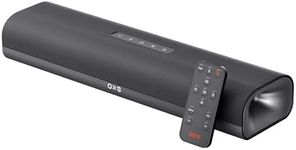
Size and DesignThe size and design of the sound bar can affect both its performance and how well it fits into your home setup. Larger sound bars generally provide better sound quality, but they need to fit comfortably in front of or below your TV. Consider the dimensions of your TV and the available space in your room when choosing a sound bar. Additionally, the design should complement your home decor and not obstruct your TV screen.