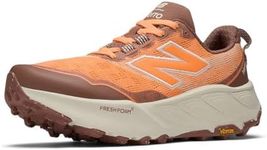
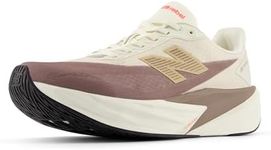
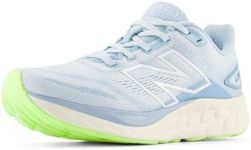
Buying Guide for the Best Womens New Balance Running Shoes
Choosing the right pair of running shoes is crucial for comfort, performance, and injury prevention. When selecting women's New Balance running shoes, it's important to consider several key specifications that will help you find the best fit for your needs. Understanding these specs will ensure that you get the most out of your running experience, whether you're a casual jogger or a seasoned marathoner.CushioningCushioning refers to the amount of padding in the shoe, which impacts comfort and shock absorption. This is important because it can help reduce the impact on your joints and muscles during runs. Shoes with minimal cushioning are lighter and provide a more natural feel, suitable for short distances or speed training. Moderate cushioning offers a balance between comfort and performance, ideal for regular runners. Maximum cushioning provides the most comfort and protection, perfect for long-distance runners or those with joint issues. Choose the level of cushioning based on your running habits and personal comfort preferences.
Arch SupportArch support is the level of support provided to the arch of your foot, which can affect your overall comfort and running efficiency. This is important because it helps maintain proper foot alignment and can prevent injuries. Shoes with low arch support are suitable for runners with flat feet or low arches. Medium arch support is ideal for those with normal arches, providing a good balance of support and flexibility. High arch support is best for runners with high arches, offering extra stability and cushioning. Determine your arch type and choose shoes that provide the appropriate level of support.
Heel-to-Toe DropHeel-to-toe drop is the difference in height between the heel and the forefoot of the shoe. This spec is important because it influences your running form and can affect the strain on different parts of your body. A low drop (0-4mm) promotes a more natural running style and is suitable for forefoot or midfoot strikers. A medium drop (5-8mm) offers a balance between natural running and traditional cushioning, suitable for most runners. A high drop (9-12mm) provides more heel cushioning and is ideal for heel strikers. Choose the drop based on your running style and comfort preferences.
Shoe WeightShoe weight refers to how heavy the shoe feels on your foot. This is important because it can impact your running efficiency and fatigue levels. Lightweight shoes (under 8 ounces) are great for speed training and races, as they allow for quicker movements. Medium weight shoes (8-10 ounces) offer a balance of speed and cushioning, suitable for everyday training. Heavier shoes (over 10 ounces) provide more durability and support, ideal for long-distance runs or runners needing extra stability. Consider your running goals and choose a shoe weight that complements your needs.
BreathabilityBreathability refers to how well the shoe allows air to circulate, keeping your feet cool and dry. This is important because it can prevent overheating and blisters during runs. Shoes with high breathability feature mesh or perforated uppers, making them ideal for hot weather or long runs. Moderate breathability offers a balance of ventilation and protection, suitable for various weather conditions. Low breathability provides more insulation, making them better for cold weather runs. Consider the typical weather conditions you run in and choose a shoe with the appropriate level of breathability.
DurabilityDurability refers to how long the shoe will last before showing significant wear and tear. This is important because it affects the overall value and longevity of your running shoes. High durability shoes are made with robust materials and reinforced areas, suitable for frequent runners or rough terrains. Moderate durability shoes offer a balance of longevity and lightweight design, ideal for regular training on standard surfaces. Low durability shoes are lighter and more flexible but may wear out faster, suitable for occasional runners or specific events. Consider how often and where you run to choose a shoe with the right level of durability.