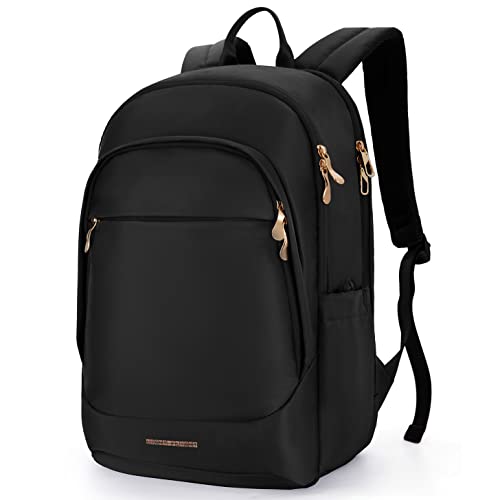
Buying Guide for the Best Womens Hiking Backpack
Choosing the right women's hiking backpack is crucial for a comfortable and enjoyable hiking experience. The right backpack will fit well, distribute weight evenly, and have enough space for all your essentials. When selecting a hiking backpack, consider your hiking style, the duration of your trips, and your personal comfort preferences. Here are some key specifications to help you make an informed decision.CapacityCapacity refers to the volume of the backpack, usually measured in liters. This spec is important because it determines how much gear you can carry. For day hikes, a backpack with a capacity of 15-30 liters is usually sufficient. For overnight trips, look for a backpack with a capacity of 30-50 liters. For multi-day hikes, you may need a backpack with a capacity of 50 liters or more. Choose a capacity based on the length of your hikes and the amount of gear you need to carry.
Fit and SizeFit and size are crucial for comfort and load distribution. Women's hiking backpacks are designed to fit the female torso, with narrower shoulder straps and a shorter torso length. To find the right fit, measure your torso length and compare it to the backpack's size chart. Many backpacks come in small, medium, and large sizes. A well-fitting backpack will sit comfortably on your hips and shoulders without causing strain.
WeightThe weight of the backpack itself is important because it adds to the total load you will be carrying. Lightweight backpacks are ideal for those who prefer to hike fast and carry minimal gear. However, ultralight backpacks may sacrifice some comfort and durability. Heavier backpacks often have more padding and support, making them suitable for carrying heavier loads. Consider your hiking style and the amount of gear you typically carry when choosing the weight of your backpack.
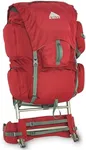
Frame TypeBackpacks can have internal frames, external frames, or no frame at all. Internal frame backpacks are the most common and offer good load support and balance. They are ideal for most hiking conditions. External frame backpacks provide excellent ventilation and are great for carrying heavy loads on well-maintained trails. Frameless backpacks are lightweight and flexible but offer less support. Choose a frame type based on the terrain you will be hiking and the weight of your load.
VentilationVentilation is important to keep your back cool and dry during hikes. Many backpacks have mesh back panels or ventilation channels to improve airflow. This feature is especially important for hiking in hot and humid conditions. If you tend to sweat a lot or hike in warm climates, look for a backpack with good ventilation to enhance your comfort.
Pockets and CompartmentsPockets and compartments help you organize your gear and make it easily accessible. Look for backpacks with a variety of pockets, including hip belt pockets, side pockets, and front pockets. Some backpacks also have separate compartments for sleeping bags or hydration reservoirs. Consider your organizational preferences and the type of gear you carry when choosing a backpack with the right number and type of pockets.
Hydration CompatibilityHydration compatibility means the backpack can accommodate a hydration reservoir, allowing you to drink water without stopping. This feature is important for staying hydrated on the go. Look for backpacks with a dedicated sleeve and hose routing for a hydration reservoir. If you prefer using water bottles, ensure the backpack has easily accessible side pockets for them.
DurabilityDurability refers to the backpack's ability to withstand wear and tear. This is important for ensuring your backpack lasts through many hikes. Look for backpacks made from high-quality materials like ripstop nylon or polyester. Reinforced stitching and durable zippers also contribute to a backpack's longevity. If you frequently hike in rugged terrain or carry heavy loads, prioritize durability in your backpack choice.