Buying Guide for the Best Women Thermal Leggings
When it comes to picking the right women's thermal leggings, it's important to consider several key factors to ensure you get the best fit for your needs. Thermal leggings are designed to keep you warm in cold weather, so you'll want to focus on materials, fit, insulation, and other features that contribute to comfort and functionality. Here's a breakdown of the key specifications to help you make an informed decision.MaterialThe material of thermal leggings is crucial because it determines warmth, comfort, and breathability. Common materials include wool, synthetic fibers like polyester, and blends. Wool is excellent for warmth and moisture-wicking but can be more expensive. Synthetic fibers are durable, quick-drying, and often more affordable. Blends aim to combine the best properties of each material. Choose wool for maximum warmth, synthetics for active use, and blends for a balance of both.
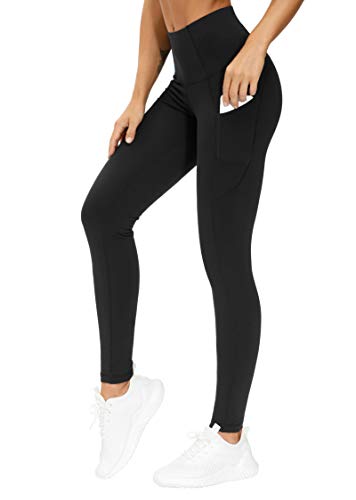
FitFit is important for both comfort and functionality. Thermal leggings should be snug but not too tight, allowing for a full range of motion without sagging. They come in various fits, such as high-waisted, mid-rise, and low-rise. High-waisted leggings offer more coverage and can help keep your core warm, while mid-rise and low-rise options may be more comfortable for everyday wear. Consider your activity level and personal comfort preferences when choosing the fit.
InsulationInsulation refers to the leggings' ability to retain heat. This can be achieved through the material itself or additional lining. Fleece-lined leggings provide extra warmth and are ideal for very cold conditions. Lightweight insulation is suitable for milder temperatures or high-intensity activities where you might generate more body heat. Choose heavier insulation for extreme cold and lighter options for moderate weather or active use.
Moisture-WickingMoisture-wicking properties help keep you dry by drawing sweat away from your skin. This is particularly important if you plan to wear the leggings during physical activities. Materials like merino wool and certain synthetics excel at moisture-wicking. If you tend to sweat a lot or will be engaging in activities like hiking or skiing, prioritize leggings with good moisture-wicking capabilities.
Seam ConstructionSeam construction affects both comfort and durability. Flatlock seams lie flat against the skin and reduce chafing, making them ideal for active wear. Traditional seams may be more noticeable and can cause irritation during movement. If you plan to wear the leggings for sports or extended periods, look for flatlock seams to enhance comfort.
Stretch and FlexibilityStretch and flexibility are important for ensuring that the leggings move with you. Look for materials with a good amount of spandex or elastane, which provide stretch without losing shape. This is especially important for activities that require a lot of movement, such as yoga or running. If you need leggings for everyday wear, moderate stretch may be sufficient.
BreathabilityBreathability ensures that air can circulate through the fabric, preventing overheating. This is particularly important if you plan to wear the leggings during physical activities or in varying temperatures. Natural fibers like wool are generally more breathable, while some synthetic materials are designed to enhance airflow. Choose highly breathable leggings for active use and moderate breathability for casual wear.