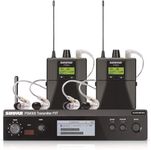
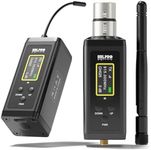
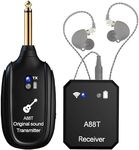
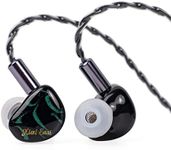
Buying Guide for the Best Wireless Iem System
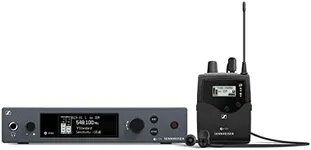
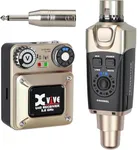
Choosing the right wireless in-ear monitor (IEM) system can significantly enhance your audio experience, whether you're a musician, sound engineer, or simply an audio enthusiast. The key to making the best choice is understanding the various specifications and how they align with your specific needs. Here are the essential specs to consider when selecting a wireless IEM system.Frequency RangeThe frequency range of a wireless IEM system refers to the range of radio frequencies it can operate on. This is important because it determines the system's ability to avoid interference from other wireless devices. Frequency ranges are often divided into segments like UHF (Ultra High Frequency) and VHF (Very High Frequency). UHF systems are generally preferred for their better performance and less interference. When choosing, consider the environment you'll be using the system in and check for any local regulations regarding frequency usage.
Audio QualityAudio quality in a wireless IEM system is crucial for clear and accurate sound reproduction. This is typically measured in terms of frequency response, signal-to-noise ratio, and total harmonic distortion. A wider frequency response (e.g., 20Hz to 20kHz) ensures that both low and high frequencies are well-represented. A higher signal-to-noise ratio means less background noise, and lower total harmonic distortion indicates cleaner sound. Choose a system with high audio quality if you need precise sound, such as for live performances or studio monitoring.
RangeThe range of a wireless IEM system indicates how far the transmitter can send a signal to the receiver without losing quality. This is important for ensuring consistent audio performance, especially in larger venues. Ranges can vary from a few meters to several hundred meters. For small stages or studio use, a shorter range may suffice, but for large venues or outdoor events, a longer range is essential to maintain a stable connection.
Battery LifeBattery life refers to how long the wireless IEM system can operate on a single charge or set of batteries. This is crucial for uninterrupted performance, especially during long events or sessions. Battery life can range from a few hours to over 10 hours. If you have long performances or recording sessions, opt for a system with longer battery life or one that allows for quick battery changes.
Number of ChannelsThe number of channels in a wireless IEM system determines how many separate audio signals can be transmitted simultaneously. This is important for bands or groups where multiple members need their own monitor mix. Systems can offer anywhere from a few channels to several dozen. Choose a system with enough channels to accommodate all users, ensuring each person can have a personalized mix without interference.
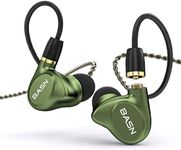
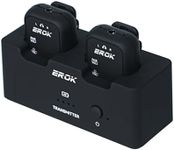
Build Quality and ComfortBuild quality and comfort are essential for the durability and usability of the wireless IEM system. High-quality materials and construction ensure the system can withstand regular use and potential drops. Comfort is particularly important for the in-ear monitors themselves, as they need to be worn for extended periods. Look for systems with durable transmitters and receivers, and in-ear monitors that come with multiple ear tip sizes for a secure and comfortable fit.