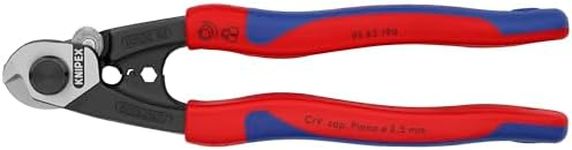
Buying Guide for the Best Wire Rope Cutters
Choosing the right wire rope cutters is essential for ensuring clean and efficient cuts, whether you're working on a construction site, in a workshop, or handling DIY projects at home. The right tool can make your job easier and safer. When selecting wire rope cutters, consider the type of wire rope you'll be cutting, the frequency of use, and the specific features that will best suit your needs.Cutting CapacityCutting capacity refers to the maximum diameter of wire rope that the cutter can handle. This is important because using a cutter with insufficient capacity can damage the tool and result in poor cuts. Cutting capacities are usually segmented into light-duty (up to 1/4 inch), medium-duty (up to 1/2 inch), and heavy-duty (up to 1 inch or more). Choose a cutter with a capacity that matches or exceeds the diameter of the wire rope you plan to cut most frequently.
Blade MaterialThe material of the blades affects the durability and cutting performance of the wire rope cutters. Common materials include high-carbon steel, stainless steel, and alloy steel. High-carbon steel blades are strong and durable, making them suitable for heavy-duty cutting. Stainless steel blades resist corrosion, which is ideal for outdoor or marine use. Alloy steel blades offer a balance of strength and resistance to wear. Select blade material based on the environment in which you'll be using the cutters and the type of wire rope you'll be cutting.
Handle DesignHandle design impacts the comfort and ease of use of wire rope cutters. Ergonomic handles reduce hand fatigue and improve grip, which is important for frequent use. Handles can be segmented into basic (simple grips), ergonomic (contoured for comfort), and padded (additional cushioning). If you plan to use the cutters extensively, opt for ergonomic or padded handles to ensure comfort and reduce strain.
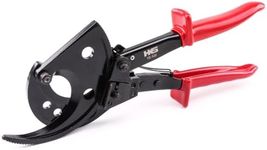
Cutting MechanismThe cutting mechanism determines how the wire rope is cut and can affect the effort required. Common mechanisms include manual, ratcheting, and hydraulic. Manual cutters are straightforward and suitable for light-duty tasks. Ratcheting cutters require less force and are ideal for medium-duty use. Hydraulic cutters provide the most power and are best for heavy-duty applications. Choose a cutting mechanism based on the type and frequency of cutting tasks you'll be performing.
PortabilityPortability refers to the ease with which you can transport and use the wire rope cutters. This is important if you need to move between different job sites or work in tight spaces. Portable cutters are typically lightweight and compact, while larger, more robust cutters may offer better performance but are less convenient to transport. Consider how often you'll need to move the cutters and choose a model that balances portability with the necessary cutting capacity.