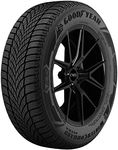
Buying Guide for the Best Winter Tires
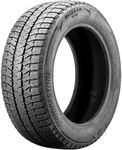
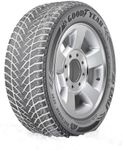
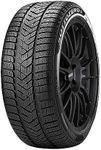
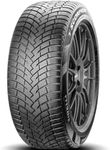
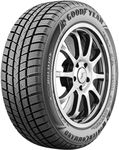
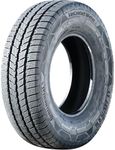
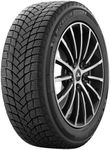
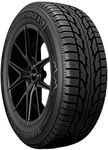
Choosing the right winter tires is crucial for ensuring safety and performance during the cold months. Winter tires are specifically designed to provide better traction, handling, and braking in snowy, icy, and cold conditions. When selecting winter tires, it's important to consider several key specifications to find the best fit for your vehicle and driving needs.Tread PatternThe tread pattern of a tire refers to the design of the grooves and sipes on the tire's surface. This spec is important because it affects the tire's ability to grip the road in snowy and icy conditions. There are generally three types of tread patterns: directional, asymmetrical, and symmetrical. Directional tread patterns are designed to move water and slush away from the tire, providing better traction in wet conditions. Asymmetrical tread patterns offer a balance of dry and wet performance, making them versatile for varying winter conditions. Symmetrical tread patterns provide a smooth and quiet ride but may not offer the same level of performance in extreme conditions. Choose a tread pattern based on the typical winter conditions you encounter and your driving style.
Tire CompoundThe tire compound refers to the material composition of the tire. This spec is important because it determines how well the tire performs in cold temperatures. Winter tires are made from a special rubber compound that remains flexible in low temperatures, providing better grip and handling. There are generally two types of compounds: soft and hard. Soft compounds offer superior grip on ice and snow but may wear out faster. Hard compounds provide longer tread life but may not perform as well in extreme cold. Consider the typical winter temperatures in your area and how often you drive to choose the right tire compound.
Tread DepthTread depth refers to the depth of the grooves in the tire's tread. This spec is important because deeper treads provide better traction in snow and slush. Winter tires typically have deeper treads than all-season tires to handle snowy conditions. Tread depth is measured in 32nds of an inch, with new winter tires usually having a tread depth of around 10/32 to 12/32 inches. If you frequently drive in deep snow, opt for tires with deeper treads. For areas with less severe winter conditions, a slightly shallower tread depth may suffice.
SizeThe size of the tire includes the width, aspect ratio, and diameter. This spec is important because it affects the tire's fit on your vehicle and its overall performance. The size is usually indicated in a format like 205/55R16, where 205 is the width in millimeters, 55 is the aspect ratio (height of the sidewall as a percentage of the width), and 16 is the diameter in inches. It's crucial to choose the correct size for your vehicle to ensure proper fit and performance. Refer to your vehicle's owner manual or the placard on the driver's side door jamb for the recommended tire size.
Speed RatingThe speed rating of a tire indicates the maximum speed at which the tire can safely operate. This spec is important because it affects the tire's performance and safety at higher speeds. Speed ratings are represented by letters, with common ratings for winter tires being Q (99 mph), S (112 mph), and T (118 mph). While winter driving typically involves lower speeds, it's still important to choose a tire with a speed rating that matches or exceeds your vehicle's requirements. Consider your driving habits and the maximum speeds you expect to reach when selecting a speed rating.
Load IndexThe load index of a tire indicates the maximum weight the tire can support. This spec is important because it ensures the tire can handle the weight of your vehicle and any additional load. The load index is represented by a number, with higher numbers indicating a greater load-carrying capacity. For example, a load index of 91 means the tire can support 1,356 pounds. Check your vehicle's owner manual or the placard on the driver's side door jamb for the recommended load index. Choose a tire with a load index that meets or exceeds this recommendation to ensure safety and performance.