Buying Guide for the Best Winter Face Masks
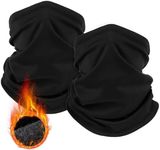
Choosing the right winter face mask is essential for staying warm and comfortable during cold weather activities. Whether you're skiing, snowboarding, hiking, or just walking in chilly conditions, a good face mask can protect you from the elements. To find the best fit for you, consider the following key specifications and how they align with your needs.MaterialThe material of a winter face mask is crucial because it determines the mask's warmth, breathability, and comfort. Common materials include fleece, wool, and synthetic fabrics like polyester. Fleece is soft and provides excellent insulation, making it ideal for very cold conditions. Wool is naturally warm and moisture-wicking, which helps keep your face dry. Synthetic fabrics are often lightweight and breathable, suitable for high-intensity activities. Choose a material based on the level of warmth you need and the type of activity you'll be doing.
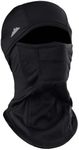
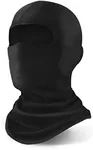
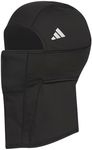
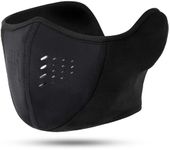
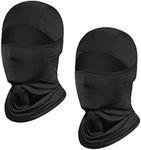
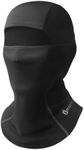
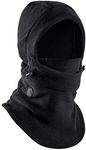
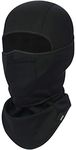
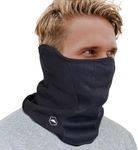
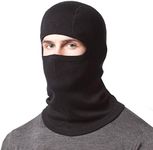
CoverageCoverage refers to how much of your face and neck the mask protects. Some masks cover just the lower face, while others extend to cover the entire head and neck. Full-coverage masks are best for extremely cold and windy conditions, as they provide maximum protection. Partial coverage masks are more suitable for milder conditions or when you need more flexibility and ventilation. Consider the typical weather conditions you'll face and your personal comfort preferences when deciding on the level of coverage.
FitThe fit of a winter face mask is important for both comfort and effectiveness. A mask that fits well will stay in place and provide consistent protection. Look for masks with adjustable features like straps or drawstrings to ensure a snug fit. Some masks are designed to fit under helmets or other headgear, which is important for activities like skiing or snowboarding. Try on different styles to find one that fits your face shape and size comfortably.
BreathabilityBreathability is the mask's ability to allow air to pass through while still providing warmth. This is especially important if you'll be engaging in physical activities, as it helps prevent moisture buildup from sweat and breath. Masks with mesh panels or ventilation holes can improve breathability. If you plan to use the mask for high-intensity activities, prioritize breathability to stay comfortable and dry.
Moisture-WickingMoisture-wicking properties help keep your face dry by drawing sweat and moisture away from your skin. This is important for maintaining warmth and comfort, as wet fabric can make you feel colder. Look for masks made from materials like wool or synthetic fabrics that are known for their moisture-wicking abilities. If you tend to sweat a lot or will be active while wearing the mask, this feature is particularly important.
Wind ResistanceWind resistance refers to the mask's ability to block cold wind from penetrating the fabric. This is crucial for maintaining warmth in windy conditions. Masks with windproof or wind-resistant layers provide better protection against the chill. If you'll be in very windy environments, such as on a ski slope or open trail, prioritize masks with high wind resistance to stay warm and comfortable.
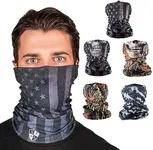
VersatilityVersatility in a winter face mask means it can be used in various ways or for different activities. Some masks can be converted into neck gaiters, beanies, or balaclavas, offering multiple uses in one product. This can be convenient if you need a mask that adapts to different conditions or activities. Consider how you plan to use the mask and whether a versatile design would be beneficial for your needs.