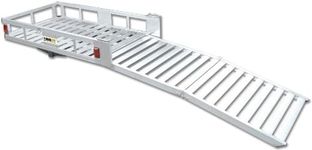
Buying Guide for the Best Wheelchair Carrier
Choosing the right wheelchair carrier is essential for ensuring the safety and convenience of transporting a wheelchair. The right carrier will depend on your specific needs, the type of vehicle you have, and the type of wheelchair you use. It's important to consider various factors such as the carrier's weight capacity, ease of use, compatibility with your vehicle, and the type of wheelchair you have. By understanding these key specifications, you can make an informed decision that best suits your requirements.Weight CapacityWeight capacity refers to the maximum weight the carrier can safely support. This is crucial because exceeding the weight limit can lead to damage or failure of the carrier, posing a safety risk. Weight capacities typically range from 100 to 500 pounds. For manual wheelchairs, a lower capacity may suffice, while power wheelchairs or scooters will require a higher capacity. To choose the right one, consider the combined weight of the wheelchair and any additional accessories or items you might transport.
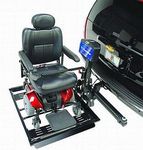
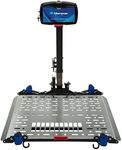
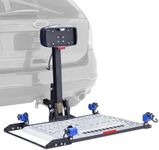
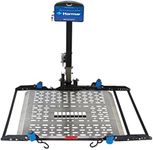
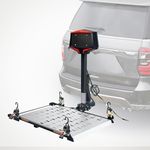
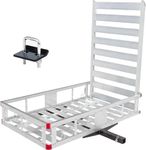
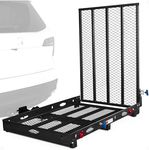
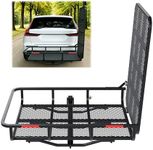
Type of CarrierThere are different types of wheelchair carriers, including hitch-mounted, roof-mounted, and trunk-mounted carriers. Hitch-mounted carriers attach to the vehicle's hitch and are suitable for most vehicles with a hitch receiver. Roof-mounted carriers require lifting the wheelchair onto the roof, which can be challenging without assistance. Trunk-mounted carriers are installed in the trunk and are ideal for smaller wheelchairs. Choose a type based on your vehicle's compatibility and your physical ability to load and unload the wheelchair.
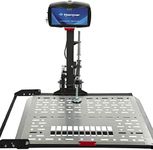
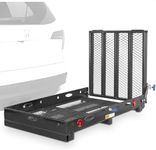
Ease of UseEase of use refers to how simple it is to load and unload the wheelchair onto the carrier. Some carriers come with ramps or lifts that make the process easier, especially for heavier wheelchairs. Others may require manual lifting. Consider your physical strength and whether you will have assistance when choosing a carrier. If you need a more automated solution, look for carriers with electric lifts or ramps.
Compatibility with VehicleCompatibility with your vehicle is essential to ensure the carrier can be securely attached and used effectively. Check the carrier's specifications to see if it fits your vehicle's make and model. For hitch-mounted carriers, ensure your vehicle has the appropriate hitch receiver size. For roof-mounted carriers, verify that your vehicle's roof can support the carrier and wheelchair's weight. Always consult your vehicle's manual or a professional if you're unsure about compatibility.
Type of WheelchairThe type of wheelchair you have will influence the carrier you choose. Manual wheelchairs are generally lighter and more compact, making them easier to transport. Power wheelchairs and scooters are heavier and bulkier, requiring carriers with higher weight capacities and possibly additional features like ramps or lifts. Consider the dimensions and weight of your wheelchair when selecting a carrier to ensure it fits securely and safely.
Durability and Build QualityDurability and build quality refer to the materials and construction of the carrier. A well-built carrier made from high-quality materials like steel or aluminum will last longer and provide better safety. Look for carriers with rust-resistant coatings and sturdy construction. Durability is especially important if you frequently transport your wheelchair or travel long distances. Choose a carrier that can withstand regular use and various weather conditions.