Buying Guide for the Best Western Saddle Pads
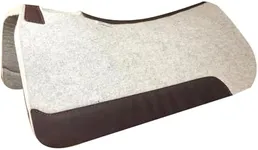
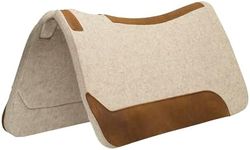
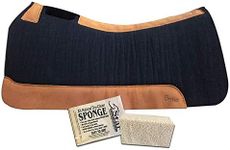
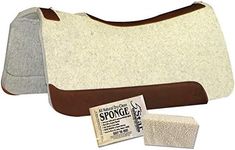
Choosing the right western saddle pad is crucial for the comfort and performance of both the horse and rider. A good saddle pad can prevent injuries, distribute weight evenly, and enhance the overall riding experience. When selecting a saddle pad, consider the following key specifications to ensure you pick the best fit for your needs.MaterialThe material of the saddle pad affects its durability, comfort, and breathability. Common materials include wool, felt, and synthetic fibers. Wool is known for its excellent moisture-wicking properties and comfort, making it ideal for long rides. Felt pads are durable and provide good shock absorption, suitable for heavy-duty use. Synthetic pads are lightweight and easy to clean, perfect for casual riding. Choose a material based on the type of riding you do and the climate conditions.
ThicknessThe thickness of a saddle pad impacts the level of cushioning and support it provides. Pads typically range from 1/2 inch to 1 inch thick. Thicker pads (3/4 inch to 1 inch) offer more cushioning and are better for high-impact activities like roping or barrel racing. Thinner pads (1/2 inch) are suitable for lighter activities and provide closer contact with the horse. Consider the intensity of your riding and the horse's back condition when choosing the thickness.
Size and ShapeSaddle pads come in various sizes and shapes to fit different saddle types and horse builds. Ensure the pad is long enough to cover the saddle bars and wide enough to protect the horse's back. Contoured pads are shaped to fit the horse's back more naturally, providing better comfort and stability. Square or rectangular pads offer more coverage and are versatile for different saddle types. Match the pad size and shape to your saddle and horse for optimal fit.
Padding and LiningThe padding and lining of a saddle pad contribute to its comfort and shock absorption. Gel or foam padding can provide extra cushioning and reduce pressure points, making it ideal for horses with sensitive backs. Fleece or sheepskin linings offer additional comfort and help prevent chafing. Evaluate your horse's needs and the type of riding you do to determine the best padding and lining combination.
BreathabilityBreathability is important to keep the horse cool and comfortable, especially during long rides or in hot weather. Pads with moisture-wicking properties and ventilation channels help to dissipate heat and moisture. Wool and certain synthetic materials are known for their breathability. If you ride in warm climates or for extended periods, prioritize a pad with good breathability to prevent overheating and discomfort.
DurabilityDurability ensures that the saddle pad will withstand regular use and last longer. High-quality materials like wool and felt are known for their durability. Reinforced stitching and wear leathers can also enhance the pad's longevity. If you ride frequently or engage in demanding activities, choose a pad that is built to endure the wear and tear of regular use.