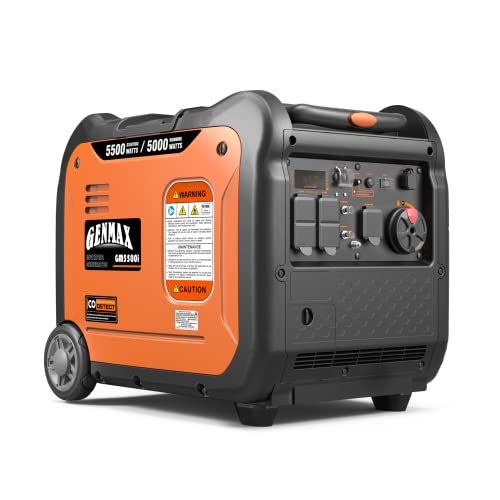
Buying Guide for the Best Wen Generators
When choosing a generator, it's important to consider your specific needs and how you plan to use the generator. Generators come in various sizes and capacities, and selecting the right one can ensure you have reliable power when you need it. Whether you're looking for a generator for home backup, camping, or worksite use, understanding the key specifications will help you make an informed decision.Power Output (Wattage)Power output, measured in watts, indicates how much electricity the generator can produce. This is crucial because it determines what and how many devices you can power simultaneously. Generators typically range from 1,000 watts to over 10,000 watts. For small appliances and camping, a generator with 1,000 to 3,000 watts may suffice. For home backup, you might need 5,000 to 7,500 watts to run essential appliances like refrigerators, lights, and sump pumps. For heavy-duty worksite use, consider generators with 8,000 watts or more. Assess your power needs by listing the devices you plan to run and their wattage requirements.
Fuel TypeGenerators can run on various types of fuel, including gasoline, propane, diesel, and natural gas. The fuel type affects the generator's runtime, efficiency, and convenience. Gasoline generators are common and easy to refuel but may require more frequent maintenance. Propane generators are cleaner and have a longer shelf life but may be less efficient. Diesel generators are fuel-efficient and durable, ideal for heavy-duty use, but they can be noisier. Natural gas generators are convenient for home use if you have a natural gas line but are less portable. Choose a fuel type based on availability, convenience, and your specific use case.
RuntimeRuntime refers to how long a generator can operate on a full tank of fuel. This is important for ensuring continuous power during extended outages or long workdays. Runtime varies based on the generator's fuel efficiency and tank size. Smaller generators may run for 4-8 hours, while larger models can operate for 10-24 hours or more. Consider how long you need the generator to run without refueling. For home backup, longer runtimes are beneficial to avoid frequent refueling. For short-term use, such as camping, a shorter runtime may be acceptable.
PortabilityPortability is a key factor if you need to move the generator frequently. Portable generators are designed with wheels and handles for easy transport, making them suitable for camping, tailgating, or worksite use. Stationary generators, on the other hand, are larger and meant to be installed in a fixed location, typically for home backup. Consider how often and where you will need to move the generator. If you need flexibility and ease of movement, opt for a portable model. If the generator will stay in one place, a stationary model may be more appropriate.
Noise LevelNoise level, measured in decibels (dB), indicates how loud the generator will be during operation. This is important for comfort and compliance with noise regulations, especially in residential areas or campsites. Generators can range from 50 dB (quiet) to over 90 dB (loud). Inverter generators are typically quieter, making them ideal for camping and residential use. Conventional generators tend to be louder but may offer higher power output. Consider where you will use the generator and how important noise level is to you. For quiet environments, choose a generator with a lower dB rating.
Start TypeGenerators can have different start types, including manual recoil start, electric start, and remote start. The start type affects ease of use and convenience. Manual recoil start requires pulling a cord, which can be physically demanding. Electric start uses a push-button or key, making it easier to operate. Remote start allows you to start the generator from a distance using a remote control. Choose a start type based on your preference and physical ability. Electric and remote starts are more convenient, especially for those who may have difficulty with manual recoil starts.