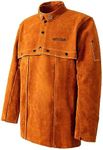
Buying Guide for the Best Welding Jackets
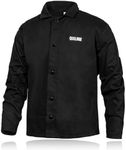
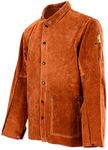
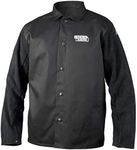
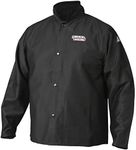
When choosing a welding jacket, it's important to consider the specific needs of your welding tasks and the environment in which you'll be working. A good welding jacket will protect you from sparks, heat, and UV radiation while providing comfort and flexibility. Here are some key specifications to consider when selecting the best welding jacket for you.MaterialThe material of a welding jacket is crucial because it determines the level of protection and comfort. Common materials include leather, cotton, and synthetic blends. Leather offers excellent protection against sparks and heat but can be heavy and less breathable. Cotton jackets are lighter and more breathable but may not provide as much protection. Synthetic blends can offer a balance of protection and comfort. Choose a material based on the type of welding you do and the level of protection you need.
Heat ResistanceHeat resistance is a key factor in a welding jacket as it protects you from burns and high temperatures. Jackets with higher heat resistance are essential for heavy-duty welding tasks. Look for jackets that are rated for high temperatures if you are working with intense welding processes. For lighter welding tasks, a jacket with moderate heat resistance may suffice.
Fit and ComfortA well-fitting jacket is important for both safety and comfort. A jacket that is too loose can catch on equipment, while one that is too tight can restrict movement. Look for adjustable features like cuffs, waistbands, and collars to ensure a good fit. Consider the weight and flexibility of the jacket as well, especially if you need to wear it for extended periods.
DurabilityDurability is important because a welding jacket needs to withstand the rigors of your work environment. Check for reinforced stitching, high-quality materials, and additional protective features like padded shoulders or elbows. A durable jacket will last longer and provide consistent protection over time.
VentilationVentilation is important for comfort, especially if you work in hot environments. Some welding jackets come with ventilation features like mesh panels or underarm vents to help keep you cool. If you tend to work in warmer conditions, look for a jacket with good ventilation to prevent overheating.
Flame ResistanceFlame resistance is a critical feature for any welding jacket. This specification ensures that the jacket will not catch fire easily when exposed to sparks or flames. Look for jackets that meet industry standards for flame resistance. This is particularly important for high-risk welding tasks where exposure to flames is more likely.
WeightThe weight of the jacket can affect your comfort and mobility. Heavier jackets, often made of leather, provide more protection but can be cumbersome. Lighter jackets, made from cotton or synthetic materials, offer more flexibility and comfort but may not be as protective. Choose a weight that balances protection with your need for mobility and comfort.