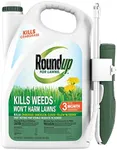
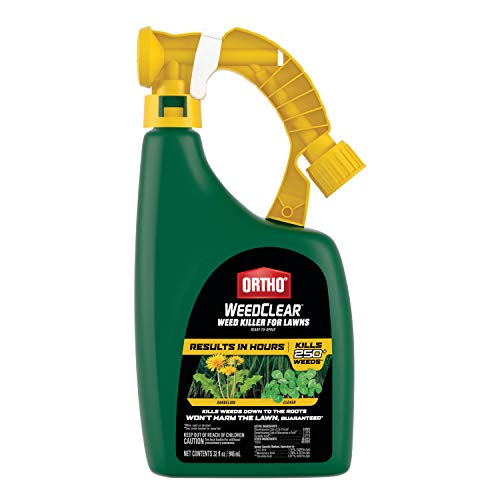
Buying Guide for the Best Weed Killer For Dandelions In Lawn
Choosing the right weed killer for dandelions in your lawn can make a significant difference in maintaining a healthy and beautiful yard. The key is to understand the different types of weed killers available and how they work, as well as considering factors like the size of your lawn, the severity of the dandelion problem, and any environmental concerns you may have. By focusing on the key specifications, you can find a product that effectively targets dandelions without harming your grass or other plants.Type of Weed KillerWeed killers come in various types, including selective, non-selective, pre-emergent, and post-emergent. Selective weed killers target specific weeds like dandelions without harming your grass, making them ideal for lawns. Non-selective weed killers kill all plants they come into contact with and are better suited for areas where you want to clear all vegetation. Pre-emergent weed killers prevent weed seeds from germinating, while post-emergent weed killers target existing weeds. For dandelions in a lawn, a selective post-emergent weed killer is usually the best choice.
Active IngredientsThe active ingredients in a weed killer determine its effectiveness and safety. Common active ingredients for dandelion control include 2,4-D, dicamba, and MCPP. These chemicals are designed to target broadleaf weeds like dandelions without harming grass. It's important to read the label to ensure the product is safe for your type of grass and to follow the application instructions carefully. If you have pets or children, you may also want to consider organic or less toxic options.
Application MethodWeed killers can be applied in various ways, including sprays, granules, and concentrates. Sprays are easy to apply and allow for spot treatment of individual dandelions. Granules are spread over the entire lawn and are activated by watering, making them suitable for larger areas. Concentrates need to be mixed with water and applied with a sprayer, offering flexibility in application rates. Choose the method that best fits the size of your lawn and the severity of the dandelion infestation.
Coverage AreaThe coverage area of a weed killer indicates how much lawn area the product can treat. This is usually measured in square feet or acres. It's important to know the size of your lawn to ensure you purchase enough product to cover the entire area. For small lawns, a ready-to-use spray bottle may be sufficient, while larger lawns may require a concentrate or granules. Always follow the manufacturer's recommendations for application rates to avoid overuse or underuse.
RainfastnessRainfastness refers to how quickly a weed killer becomes resistant to being washed away by rain or watering. This is important because if it rains shortly after application, the effectiveness of the product can be reduced. Look for products that are rainfast within a few hours to ensure they remain effective even if unexpected rain occurs. This is particularly important in regions with unpredictable weather.
Environmental ImpactConsider the environmental impact of the weed killer you choose. Some products contain chemicals that can be harmful to beneficial insects, wildlife, or water sources. If you are concerned about the environment, look for eco-friendly or organic weed killers that use natural ingredients to control dandelions. These products may take longer to show results but are generally safer for the environment and non-target plants.