Buying Guide for the Best Weed Killer And Preventer
Choosing the right weed killer and preventer can make a significant difference in maintaining a healthy and beautiful garden or lawn. The key is to understand the different types of products available and how they work, so you can select the one that best fits your specific needs. Here are some important specifications to consider when selecting a weed killer and preventer.Type of Weed KillerWeed killers come in various types, including selective, non-selective, pre-emergent, and post-emergent. Selective weed killers target specific types of weeds without harming other plants, making them ideal for lawns and gardens. Non-selective weed killers, on the other hand, kill all vegetation they come into contact with and are best for areas where you want to clear all plants, such as driveways or walkways. Pre-emergent weed killers prevent weed seeds from germinating and are best used before weeds appear, while post-emergent weed killers are used to kill existing weeds. Choose the type based on whether you need to target specific weeds, clear an area, or prevent future weed growth.
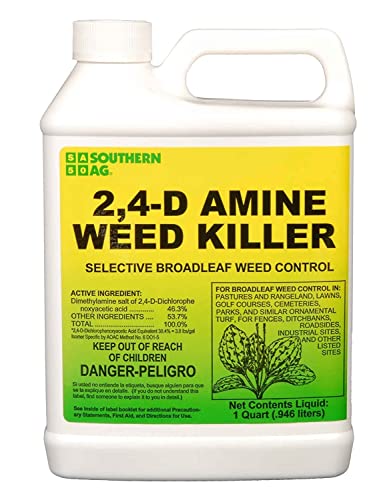
Active IngredientsThe active ingredients in weed killers determine their effectiveness and safety. Common active ingredients include glyphosate, 2,4-D, and dicamba. Glyphosate is a non-selective herbicide that is effective against a wide range of weeds but can harm other plants. 2,4-D and dicamba are selective herbicides that target broadleaf weeds without affecting grasses. Understanding the active ingredients helps you choose a product that will effectively control the weeds you are dealing with while minimizing harm to desirable plants. Check the label for the active ingredients and ensure they are suitable for your specific weed problem.
Application MethodWeed killers can be applied in various ways, including sprays, granules, and concentrates. Sprays are easy to apply and are ideal for spot treatments or small areas. Granules are spread over larger areas and are often used for pre-emergent weed control. Concentrates need to be mixed with water and are suitable for large areas or heavy infestations. The application method you choose should depend on the size of the area you need to treat and the severity of the weed problem. For small gardens or spot treatments, sprays are convenient, while granules and concentrates are better for larger areas.
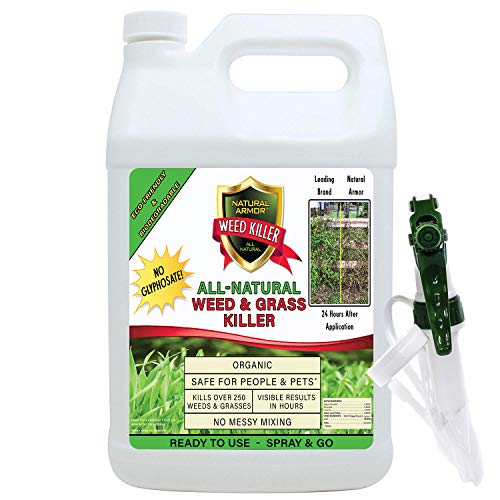
Safety and Environmental ImpactSafety and environmental impact are important considerations when choosing a weed killer. Some products can be harmful to pets, children, and beneficial insects like bees. Look for products that are labeled as safe for use around pets and children if you have them. Additionally, consider the environmental impact of the product. Organic or natural weed killers are generally safer for the environment and can be a good choice if you are concerned about chemical use. Always read the label and follow the instructions to ensure safe and effective use.
Duration of EffectivenessThe duration of effectiveness refers to how long the weed killer will continue to work after application. Some products provide short-term control and need to be reapplied frequently, while others offer long-lasting protection for several months. If you are looking for a quick fix, a short-term product may be sufficient. However, for ongoing weed prevention, a long-lasting product is more convenient and effective. Consider how much time and effort you are willing to invest in weed control and choose a product that matches your needs.