Buying Guide for the Best Watercolor Sketchbook
Choosing the right watercolor sketchbook is essential for any artist, whether you're a beginner or a professional. The right sketchbook can enhance your painting experience and help you achieve the best results. When selecting a watercolor sketchbook, consider the following key specifications to ensure it meets your needs and preferences.Paper WeightPaper weight refers to the thickness and sturdiness of the paper, usually measured in grams per square meter (gsm). This spec is important because watercolor paints can be quite wet, and heavier paper can better handle the moisture without warping or buckling. Paper weight typically ranges from 190 gsm to 300 gsm or more. For light washes and minimal water usage, 190-200 gsm may suffice. For more intense washes and multiple layers, 300 gsm is ideal. Choose a paper weight based on how much water you plan to use in your paintings.
Paper TexturePaper texture, also known as the paper's 'tooth,' affects how the paint interacts with the surface. There are three main textures: hot-pressed (smooth), cold-pressed (medium texture), and rough. Hot-pressed paper is smooth and great for detailed work and fine lines. Cold-pressed paper has a slight texture, making it versatile for both detailed and loose painting styles. Rough paper has a pronounced texture, ideal for expressive and textured effects. Select a texture based on your painting style and the level of detail you want to achieve.
Paper ColorPaper color can influence the overall tone of your artwork. Most watercolor papers are white or off-white, providing a neutral background that makes colors pop. Some sketchbooks offer tinted or toned paper, which can add a unique dimension to your work. If you prefer vibrant and true-to-color results, go for white or off-white paper. If you want to experiment with different effects, consider tinted paper. Your choice should align with the type of artwork you plan to create.
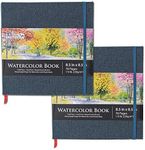
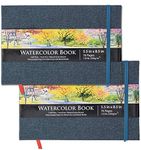
BindingThe binding of a sketchbook affects its durability and how easily you can work on each page. Common types include spiral, sewn, and glued bindings. Spiral bindings allow the book to lay flat and are easy to flip through, making them great for on-the-go use. Sewn bindings are more durable and can handle thicker paper, but may not lay completely flat. Glued bindings are less durable but can be more affordable. Choose a binding based on your preference for ease of use and durability.
SizeThe size of the sketchbook determines how much space you have to work on each page. Sizes range from small, portable sketchbooks to large, studio-sized ones. Smaller sketchbooks (A5 or smaller) are great for travel and quick sketches. Medium sizes (A4) offer a balance between portability and workspace. Larger sizes (A3 or bigger) provide ample space for detailed and expansive works. Consider where and how you plan to use the sketchbook to determine the best size for your needs.
Number of PagesThe number of pages in a sketchbook determines how many paintings you can create before needing a new one. Sketchbooks can range from 20 to over 100 pages. If you paint frequently or plan to use the sketchbook for a long-term project, a higher page count is beneficial. For short-term projects or travel, fewer pages may be sufficient. Think about your painting habits and how often you plan to use the sketchbook to decide on the appropriate number of pages.