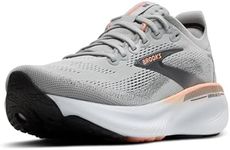
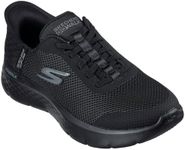
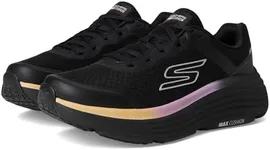
Buying Guide for the Best Walking Shoes For Bad Knees
Choosing the right walking shoes is crucial, especially if you have bad knees. The right pair can provide the necessary support, cushioning, and stability to help alleviate pain and prevent further injury. When selecting walking shoes, it's important to consider several key specifications to ensure you find the best fit for your needs. Here are the key specs to look out for and how to navigate them.CushioningCushioning refers to the padding and shock absorption provided by the shoe. This is particularly important for individuals with bad knees, as it helps to reduce the impact on the joints while walking. Shoes with more cushioning are generally softer and provide better shock absorption, which can be beneficial for those with knee pain. However, too much cushioning can sometimes lead to instability. Look for shoes with moderate to high cushioning if you have bad knees, but ensure they also offer good support and stability.
Arch SupportArch support is the support provided to the arch of your foot. Proper arch support helps to distribute pressure evenly across your feet and can prevent overpronation (excessive inward rolling of the foot) or supination (outward rolling). For individuals with bad knees, good arch support can help maintain proper alignment and reduce stress on the knees. Shoes come with different levels of arch support: low, medium, and high. Choose the level of support that matches your foot's natural arch. If you're unsure, a medium level of support is a good starting point.
StabilityStability in walking shoes refers to the shoe's ability to keep your foot in a neutral position and prevent excessive movement. This is important for those with bad knees, as it helps to maintain proper alignment and reduce strain on the joints. Stability shoes often have features like a firm heel counter and a supportive midsole. If you have bad knees, look for shoes labeled as stability or motion control, as these will provide the necessary support to keep your feet and knees properly aligned.
Heel-to-Toe DropThe heel-to-toe drop is the difference in height between the heel and the forefoot of the shoe. A higher drop can provide more cushioning under the heel, which can be beneficial for those with knee pain. However, a lower drop can promote a more natural gait and reduce the impact on the knees. Heel-to-toe drops typically range from 0mm (zero drop) to 12mm or more. For bad knees, a moderate drop (around 4-8mm) is often recommended, as it provides a balance between cushioning and promoting a natural walking motion.
Fit and ComfortThe fit and comfort of the shoe are crucial for anyone, but especially for those with bad knees. A well-fitting shoe should have enough room in the toe box to allow your toes to move freely, but not so much that your foot slides around. The shoe should also provide a snug fit around the heel and midfoot to ensure stability. Comfort is subjective, so it's important to try on different shoes and walk around in them to see how they feel. Pay attention to any pressure points or areas of discomfort, as these can exacerbate knee pain.
WeightThe weight of the shoe can affect your walking experience. Lighter shoes can reduce the overall strain on your legs and knees, making them a good choice for those with knee pain. However, lighter shoes may sometimes lack the necessary support and cushioning. It's important to find a balance between weight and the other key specs like cushioning and stability. If you have bad knees, opt for a lightweight shoe that still offers adequate support and cushioning.