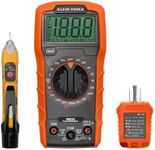
Buying Guide for the Best Voltage Testers
Choosing the right voltage tester is crucial for ensuring safety and accuracy when working with electrical systems. Voltage testers are used to detect the presence of electrical voltage in a circuit, which helps in troubleshooting and verifying electrical installations. To pick the best voltage tester for your needs, you should consider several key specifications that will determine its suitability for your specific tasks. Understanding these specifications will help you make an informed decision and ensure that you have a reliable tool for your electrical work.Voltage RangeThe voltage range of a tester indicates the minimum and maximum voltage levels it can detect. This is important because it determines the types of electrical systems you can work on. Voltage testers typically come in ranges such as low voltage (up to 50V), medium voltage (50V to 1000V), and high voltage (above 1000V). If you are working on household electrical systems, a tester with a range up to 1000V is usually sufficient. For industrial or specialized applications, you may need a tester that can handle higher voltages. Choose a voltage range that matches the systems you will be testing to ensure accuracy and safety.
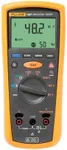
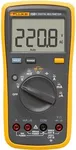
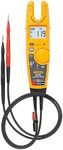
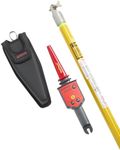
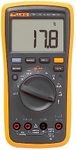
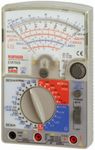
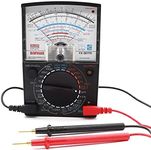
Type of TesterThere are different types of voltage testers, including non-contact voltage testers, contact voltage testers, and multimeters. Non-contact voltage testers are convenient and safe as they do not require direct contact with electrical components. Contact voltage testers require physical contact with the circuit and are often more accurate. Multimeters are versatile tools that can measure voltage, current, and resistance. If you need a simple and quick way to check for the presence of voltage, a non-contact tester is a good choice. For more detailed measurements, consider a contact tester or a multimeter.
Display and IndicatorsVoltage testers can have different types of displays and indicators, such as LED lights, LCD screens, or audible alarms. These features help you quickly understand the presence and level of voltage. LED indicators are simple and easy to read, while LCD screens can provide more detailed information. Audible alarms are useful in noisy environments where visual indicators might be missed. Choose a tester with a display and indicators that suit your working conditions and preferences. For example, if you often work in dimly lit areas, a tester with a bright LED or backlit LCD screen would be beneficial.
Safety RatingsSafety ratings, such as CAT (Category) ratings, indicate the level of protection a voltage tester provides against electrical surges and spikes. These ratings are important for ensuring your safety while using the tester. CAT ratings range from CAT I (for low-energy circuits) to CAT IV (for high-energy circuits). If you are working on household circuits, a CAT II or CAT III rated tester is usually sufficient. For industrial or high-energy environments, a CAT IV rated tester is recommended. Always choose a tester with an appropriate safety rating for the electrical systems you will be working on to minimize the risk of injury.
Durability and Build QualityThe durability and build quality of a voltage tester determine its longevity and reliability. A well-built tester can withstand drops, impacts, and harsh working conditions. Look for testers made from robust materials with features like reinforced housings and protective covers. If you frequently work in tough environments, such as construction sites or industrial settings, investing in a durable tester is essential. For occasional use in a controlled environment, a standard build quality may suffice. Consider your working conditions and choose a tester that can handle the wear and tear of your specific tasks.