Buying Guide for the Best Voice Over Microphones
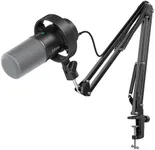
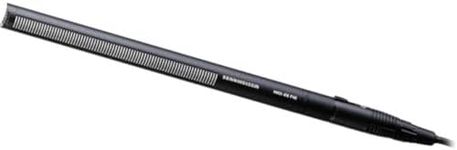
Choosing the right voice-over microphone is crucial for achieving high-quality audio recordings. The right microphone can make a significant difference in the clarity, warmth, and overall sound of your voice. When selecting a microphone, consider the environment in which you'll be recording, the type of voice you have, and the specific needs of your projects. Understanding the key specifications will help you make an informed decision and ensure that you get the best microphone for your voice-over work.Microphone TypeMicrophones come in different types, with the most common being dynamic and condenser microphones. Dynamic microphones are durable and handle high sound pressure levels well, making them suitable for live performances and loud environments. Condenser microphones, on the other hand, are more sensitive and provide a higher level of detail, making them ideal for studio recordings and capturing the nuances of your voice. If you are recording in a controlled environment, a condenser microphone is usually the better choice for voice-over work.
Polar PatternThe polar pattern of a microphone describes how it picks up sound from different directions. The most common polar patterns are cardioid, omnidirectional, and bidirectional. Cardioid microphones pick up sound primarily from the front, reducing background noise and focusing on your voice, which is ideal for voice-over work. Omnidirectional microphones capture sound equally from all directions, which can be useful in certain situations but may also pick up unwanted noise. Bidirectional microphones capture sound from the front and back, which is less common for voice-over but can be useful for interviews or duet recordings. For most voice-over applications, a cardioid pattern is the best choice.
Frequency ResponseFrequency response refers to the range of frequencies a microphone can capture. A flat frequency response means the microphone captures all frequencies equally, while a tailored frequency response may emphasize certain frequencies. For voice-over work, a microphone with a frequency response that enhances the mid-range frequencies (where the human voice resides) is often preferred. Look for a microphone with a frequency response that suits your voice type; for example, if you have a deeper voice, you might want a microphone that captures lower frequencies well.
SensitivitySensitivity measures how well a microphone converts sound into an electrical signal. Higher sensitivity microphones pick up quieter sounds more easily, which can be beneficial in a quiet recording environment. However, in a noisy environment, a high-sensitivity microphone might capture too much background noise. If you have a quiet recording space, a higher sensitivity microphone can capture more detail in your voice. If your recording environment has some background noise, a lower sensitivity microphone might be a better choice to avoid picking up unwanted sounds.
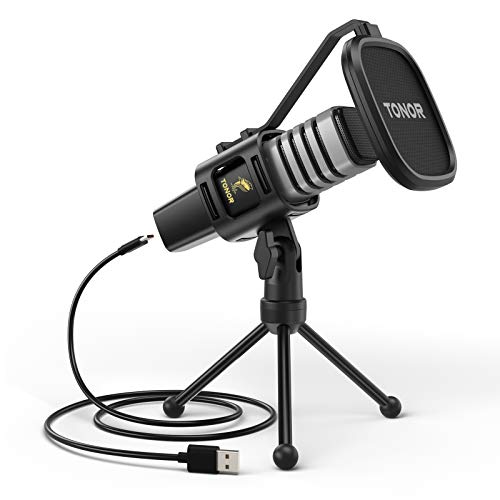
ConnectivityMicrophones can connect to recording equipment in different ways, with the most common being XLR and USB connections. XLR microphones require an audio interface or mixer and are typically used in professional settings, offering higher audio quality and more control over the sound. USB microphones are more convenient and can be plugged directly into a computer, making them a good choice for beginners or those who need a simple setup. Consider your recording setup and choose a microphone with the appropriate connectivity for your needs.
Build QualityThe build quality of a microphone affects its durability and longevity. A well-built microphone will withstand regular use and provide consistent performance over time. Look for microphones made with high-quality materials and solid construction. If you plan to travel with your microphone or use it frequently, investing in a durable model is important. Additionally, consider the weight and size of the microphone, especially if you need to mount it on a stand or use it in different locations.