Buying Guide for the Best Utv Boom Sprayer
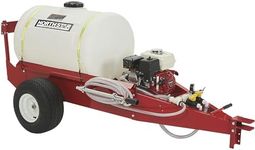
When choosing a UTV boom sprayer, it's important to consider several key specifications to ensure you get the best fit for your needs. A UTV boom sprayer is a versatile tool used for applying herbicides, pesticides, and fertilizers over large areas. The right sprayer can make your work more efficient and effective, so understanding the key specs will help you make an informed decision.Tank CapacityThe tank capacity of a UTV boom sprayer refers to the volume of liquid it can hold, usually measured in gallons. This spec is important because it determines how much area you can cover before needing to refill. Smaller tanks (10-25 gallons) are suitable for small properties or spot treatments, while medium tanks (25-60 gallons) are ideal for medium-sized areas. Larger tanks (60+ gallons) are best for extensive properties or commercial use. Choose a tank capacity based on the size of the area you need to spray and how often you want to refill the tank.
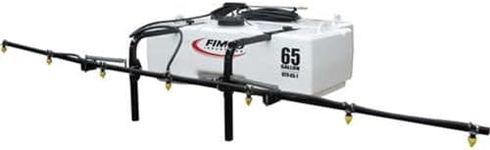
Boom WidthThe boom width is the span of the sprayer's arms that distribute the spray. This spec is crucial because it affects the coverage area and efficiency of your spraying tasks. Narrow booms (5-10 feet) are suitable for tight spaces and detailed work, medium booms (10-15 feet) are good for general use on medium-sized properties, and wide booms (15+ feet) are best for large, open areas. Consider the size and layout of the area you need to spray to determine the appropriate boom width.
Pump Type and Flow RateThe pump type and flow rate determine how the liquid is delivered from the tank to the boom. Common pump types include diaphragm, centrifugal, and roller pumps. The flow rate, measured in gallons per minute (GPM), indicates how quickly the liquid is dispensed. Higher flow rates (2-5 GPM) are suitable for large areas and faster coverage, while lower flow rates (1-2 GPM) are better for precision and smaller areas. Choose a pump type and flow rate based on the type of liquid you are spraying and the size of the area.
Nozzle TypeNozzle type affects the spray pattern and droplet size, which in turn influences coverage and application efficiency. Common nozzle types include flat fan, cone, and flood nozzles. Flat fan nozzles are good for even coverage, cone nozzles are ideal for penetrating dense foliage, and flood nozzles are suitable for large volume applications. Select a nozzle type based on the specific application and the type of liquid you are using.
Material and DurabilityThe material and durability of the sprayer components, such as the tank, boom, and nozzles, are important for longevity and performance. Look for high-quality materials like polyethylene for the tank and stainless steel or corrosion-resistant materials for the boom and nozzles. Durable materials ensure the sprayer can withstand harsh chemicals and rough terrain. Choose a sprayer with robust construction if you plan to use it frequently or in challenging conditions.
Ease of Use and MaintenanceEase of use and maintenance are important factors to consider for efficient operation and longevity of the sprayer. Features like easy-to-read gauges, accessible controls, and simple attachment mechanisms can make the sprayer more user-friendly. Additionally, consider how easy it is to clean and maintain the sprayer, as regular maintenance is crucial for optimal performance. Choose a sprayer that offers convenient features and straightforward maintenance procedures to save time and effort.