Best Universal Remote Controls
From leading brands and best sellers available on the web.

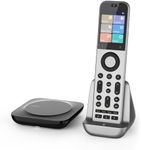
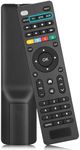
Acoyer
17%OFF

Universal-TV-Remote-Control Compatible with Samsung/LG/Vizio/Hisense/Sony/Philips/Onn/Sharp/RCA/Element/Westinghouse/Sanyo/Emerson TV and More Brand Smart TVs
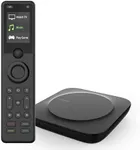
SofaBaton
10%OFF
SofaBaton X1S Universal Remote with Hub and App, All in One Smart Universal Remote Control with Customize Activities, Control Up to 60 IR/Bluetooth/WiFi Devices
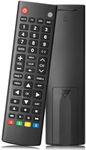
LOUTOC
17%OFF
Universal-TV-Remote-Control for Samsung, LG, Hisense, TCL, Sony, Vizio, Onn, Toshiba, Philips and More DVD, Blu ray Player, Soundbar Devices

Logitech
Logitech Harmony 665 Advanced Remote Control
Related Products
Up to 10% off
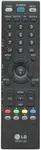
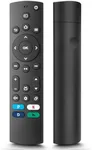
Angrox
27%OFF
Universal-TV-Remote-Control for Samsung/LG/Vizio/TCL/Hisense/Sony/Philips/Roku Smart TVs, for Insignia/Toshiba Smart TVs

Maxitoc
38%OFF
Universal TV Remote Control for Samsung,Hisense,LG,TCL,Philips,Sony,Insignia,Toshiba,Vizio Smart TVs and More Brand,(Compatible with Streaming Players,DVD/Blu-ray Players and Sound Bar Audio)
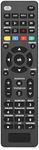
Hujidar
Hujidar Universal Remote Control for Samsung, LG, Vizio, TCL, Sony, Insignia, Sharp, Philips, Panasonic, JVC, Hisense, Toshiba, Sanyo, Seiki, and Other Brands TV(Universal TV Remote)
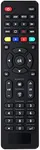
Pairtty
20%OFF
Universal TV Remote for Samsung, TCL, Philips, Vizio, Sharp, Sony, Panasonic, Sanyo, Insignia, Toshiba and Other Brands LCD LED 3D HDTV Smart TV Remote Control
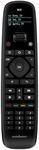
SofaBaton
SofaBaton U2 Upgrade Universal Remote Control Ergonomic Universal TV Remote with Backlight, One-Touch Macro Buttons, Bluetooth Pairing, IR Blaster, Compatible with Smart TVs/DVD/STB/Projector


Our technology thoroughly searches through the online shopping world, reviewing hundreds of sites. We then process and analyze this information, updating in real-time to bring you the latest top-rated products. This way, you always get the best and most current options available.

Most Popular Categories Right Now


