Buying Guide for the Best Underlayment For Carpets
Choosing the right underlayment for your carpet is crucial for ensuring comfort, durability, and the overall performance of your carpet. Underlayment, also known as carpet padding, provides a foundation that enhances the feel of the carpet underfoot, extends its lifespan, and can even improve insulation and soundproofing. To make an informed decision, you need to consider several key specifications that will help you find the best fit for your needs.ThicknessThickness refers to how thick the underlayment is, typically measured in inches or millimeters. This spec is important because it affects the comfort and cushioning of the carpet. Thicker underlayment provides more cushioning, making the carpet feel softer underfoot. However, too thick underlayment can cause the carpet to feel spongy and may lead to faster wear. For residential use, a thickness of 1/4 to 1/2 inch is usually ideal. If you have high-traffic areas, a slightly thinner underlayment might be better to provide more support and durability.
DensityDensity measures how much material is packed into a given volume of the underlayment, usually expressed in pounds per cubic foot. Higher density underlayment provides better support and durability, which is important for high-traffic areas. Lower density underlayment might be sufficient for low-traffic areas like bedrooms. For most residential applications, a density of 6 to 8 pounds per cubic foot is recommended. If you have pets or expect heavy use, consider a higher density for added durability.
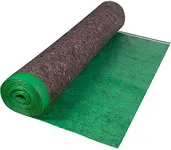
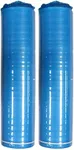
MaterialUnderlayment can be made from various materials, including foam, rubber, and fiber. Each material has its own benefits. Foam is lightweight and provides good cushioning, making it a popular choice for residential use. Rubber is more durable and offers excellent soundproofing and insulation, ideal for high-traffic areas or commercial use. Fiber underlayment is made from recycled materials and is environmentally friendly, providing moderate cushioning and support. Choose the material based on your specific needs, such as comfort, durability, and environmental impact.
Moisture BarrierA moisture barrier is a feature in some underlayments that prevents moisture from seeping through to the carpet. This is particularly important in areas prone to spills or high humidity, such as basements or kitchens. A moisture barrier can help prevent mold and mildew growth, extending the life of your carpet. If you are installing carpet in a moisture-prone area, look for underlayment with a built-in moisture barrier to protect your investment.
SoundproofingSoundproofing refers to the underlayment's ability to reduce noise transmission. This is important in multi-story homes or apartments where noise from footsteps can be a concern. Underlayment with good soundproofing properties can help create a quieter environment. If soundproofing is a priority, look for underlayment specifically designed to reduce noise, often made from rubber or dense foam materials.
InsulationInsulation refers to the underlayment's ability to retain heat and provide thermal resistance. This is important for maintaining a comfortable temperature in your home and can contribute to energy savings. Underlayment with good insulation properties can help keep your home warmer in the winter and cooler in the summer. If you live in an area with extreme temperatures, consider underlayment with high insulation values to enhance your home's energy efficiency.