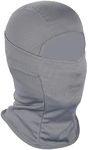
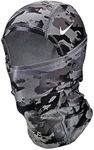
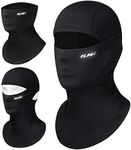
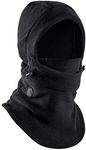
Buying Guide for the Best Under Helmet Balaclava
Choosing the right under-helmet balaclava is essential for ensuring comfort, warmth, and protection while engaging in activities like motorcycling, skiing, or cycling. A good balaclava can help regulate temperature, wick away moisture, and provide a snug fit under your helmet. Here are some key specifications to consider when selecting an under-helmet balaclava.MaterialThe material of the balaclava is crucial as it determines the comfort, breathability, and warmth. Common materials include synthetic fabrics like polyester and spandex, which offer good moisture-wicking properties and stretchability. Merino wool is another popular choice for its natural warmth and breathability. For cold weather, look for thicker, insulated materials, while for milder conditions, lightweight, breathable fabrics are ideal. Choose a material based on the climate and your activity level.
Fit and SizeA proper fit ensures that the balaclava stays in place and provides maximum comfort under your helmet. Balaclavas come in various sizes, often labeled as small, medium, large, or one-size-fits-all. Look for a snug fit that covers your head, neck, and sometimes shoulders without being too tight. Some balaclavas have adjustable features like drawstrings or elastic bands to help achieve the perfect fit. Consider your head size and shape, and try on different sizes if possible to find the best fit for you.
BreathabilityBreathability is important to prevent overheating and ensure comfort during physical activities. A breathable balaclava allows moisture and heat to escape, keeping you dry and comfortable. Look for balaclavas with mesh panels or ventilation zones, especially around the mouth and nose area. If you tend to sweat a lot or engage in high-intensity activities, prioritize breathability to avoid discomfort and fogging of your helmet visor.
Thermal InsulationThermal insulation is key for keeping warm in cold weather. Balaclavas with good insulation trap body heat and protect against wind and cold. Insulated balaclavas often use materials like fleece or have a multi-layered construction. For extremely cold conditions, opt for balaclavas with high thermal insulation. If you are in a milder climate or engage in high-energy activities, a lighter balaclava with moderate insulation may be sufficient.
Moisture-WickingMoisture-wicking properties help keep sweat away from your skin, ensuring you stay dry and comfortable. This is particularly important during intense activities or in warmer conditions. Synthetic materials like polyester are known for their moisture-wicking abilities. If you sweat a lot or plan to use the balaclava for high-energy activities, prioritize moisture-wicking features to maintain comfort and prevent chafing.
Seam ConstructionThe construction of seams can affect the comfort and durability of the balaclava. Flatlock seams are ideal as they lie flat against the skin, reducing the risk of irritation and chafing. Seamless designs are also available and provide a smooth, comfortable fit. Check the seam construction to ensure it won't cause discomfort under your helmet, especially during long periods of use.
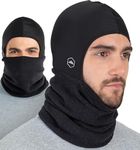
VersatilitySome balaclavas are designed to be versatile and can be worn in multiple ways, such as a full face mask, neck gaiter, or beanie. This versatility can be useful if you engage in different activities or need varying levels of coverage. Consider how you plan to use the balaclava and whether a multi-functional design would be beneficial for your needs.